

Thiền Chánh Niệm (Mindfulness) Vs Thiền Tập Trung: Ai Hợp?
If you’ve been Googling “thiền chánh niệm (mindfulness) vs thiền tập trung: khác nhau ra sao và ai phù hợp với từng kiểu”, you’re probably not trying to become a monk—you’re trying to feel better, think clearer, and stop getting yanked around by stress. Let’s be honest: most meditation advice online is vague, overly spiritual, or makes it sound like there’s one “correct” method. There isn’t.
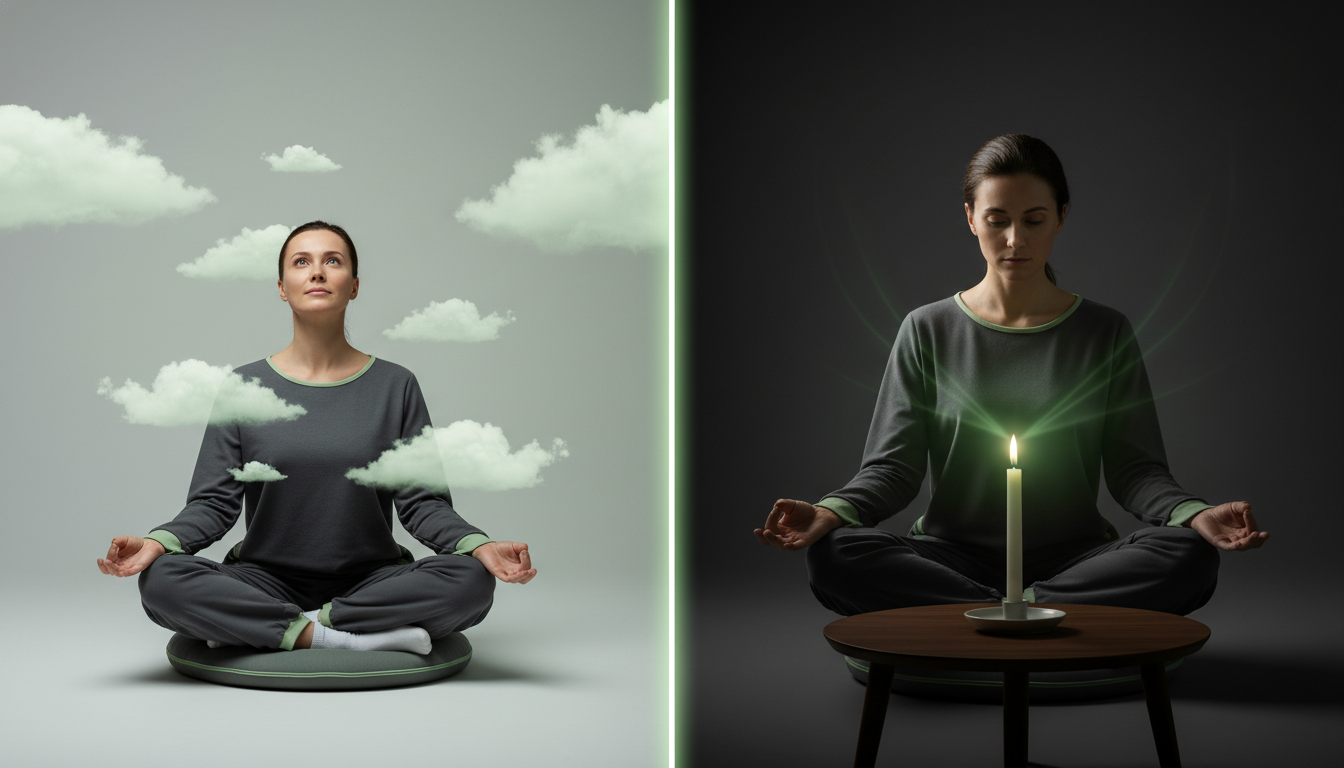
Mindfulness meditation and concentration meditation are two different training styles. They build different mental muscles, feel different in practice, and fit different nervous systems.
A quick side-by-side comparison (so you don’t waste weeks) 🧠
| Category | Mindfulness meditation (thiền chánh niệm) | Concentration meditation (thiền tập trung) |
|---|---|---|
| Core skill | Open monitoring: noticing what arises (thoughts, feelings, sensations) without grabbing | Single-point focus: staying with one object (breath, mantra, candle, sound) |
| Main question you’re training | “Can I notice this without reacting?” | “Can I stay with this without drifting?” |
| Best for | Emotional regulation, rumination, stress reactivity, self-awareness | Mental clarity, attention control, calming mental noise, performance focus |
| Common early challenge | Feeling “too aware” of anxiety or racing thoughts | Feeling bored, frustrated, or “failing” due to distraction |
| Typical outcome | More space between stimulus and response ✅ | Stronger attention, steadier mind ✅ |
| When it can backfire | Trauma/dissociation can intensify without proper support ⚠️ | Perfectionism can get reinforced if you force it ⚠️ |
The takeaway is clear: mindfulness trains your relationship to experience; concentration trains your ability to aim and hold attention.
What mindfulness meditation actually is (beyond the buzzword) 🌿
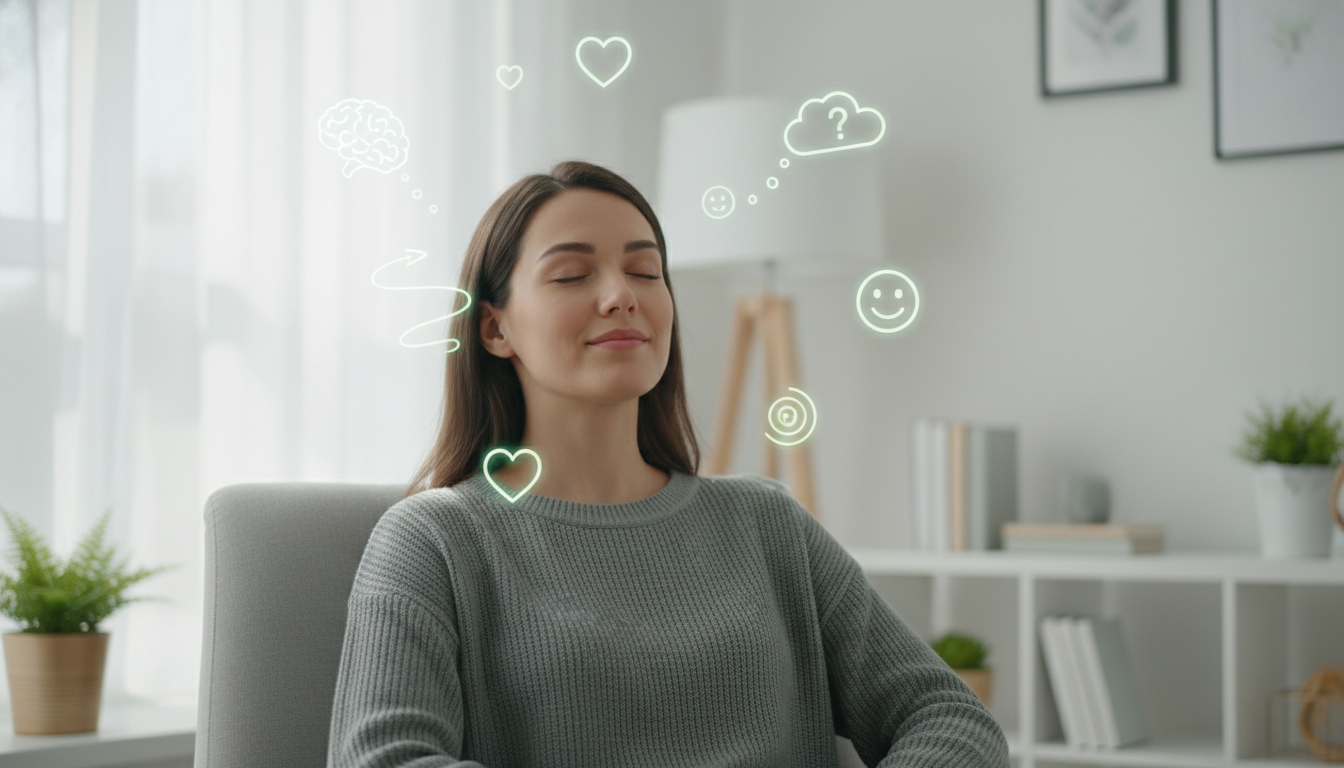
Mindfulness meditation (often called open monitoring) is the practice of:
- Bringing attention to the present moment
- Noticing whatever shows up (breath, body sensations, emotions, thoughts)
- Labeling it gently (“thinking,” “tightness,” “worrying”)
- Returning to awareness without judging yourself
It’s not “emptying your mind.” It’s seeing your mind clearly.
What it trains (under the hood)
Mindfulness strengthens:
- Metacognition: the ability to notice thoughts as thoughts
- Emotion regulation: feeling emotions without instantly acting on them
- Decentering: “I’m having anxiety” instead of “I am anxiety”
What research suggests (in plain English)
Large reviews have found mindfulness meditation can produce small-to-moderate improvements in anxiety, depression, and pain-related outcomes in many people—though it’s not magic and results vary.
| Example research finding | What it usually means for you |
|---|---|
| Mindfulness programs show moderate symptom reductions for anxiety/depression in many trials (e.g., meta-analyses like Goyal et al., JAMA, 2014) | You may feel less emotionally hijacked and recover faster after stressors |
What concentration meditation is (and why it can feel “easier” at first) 🔥
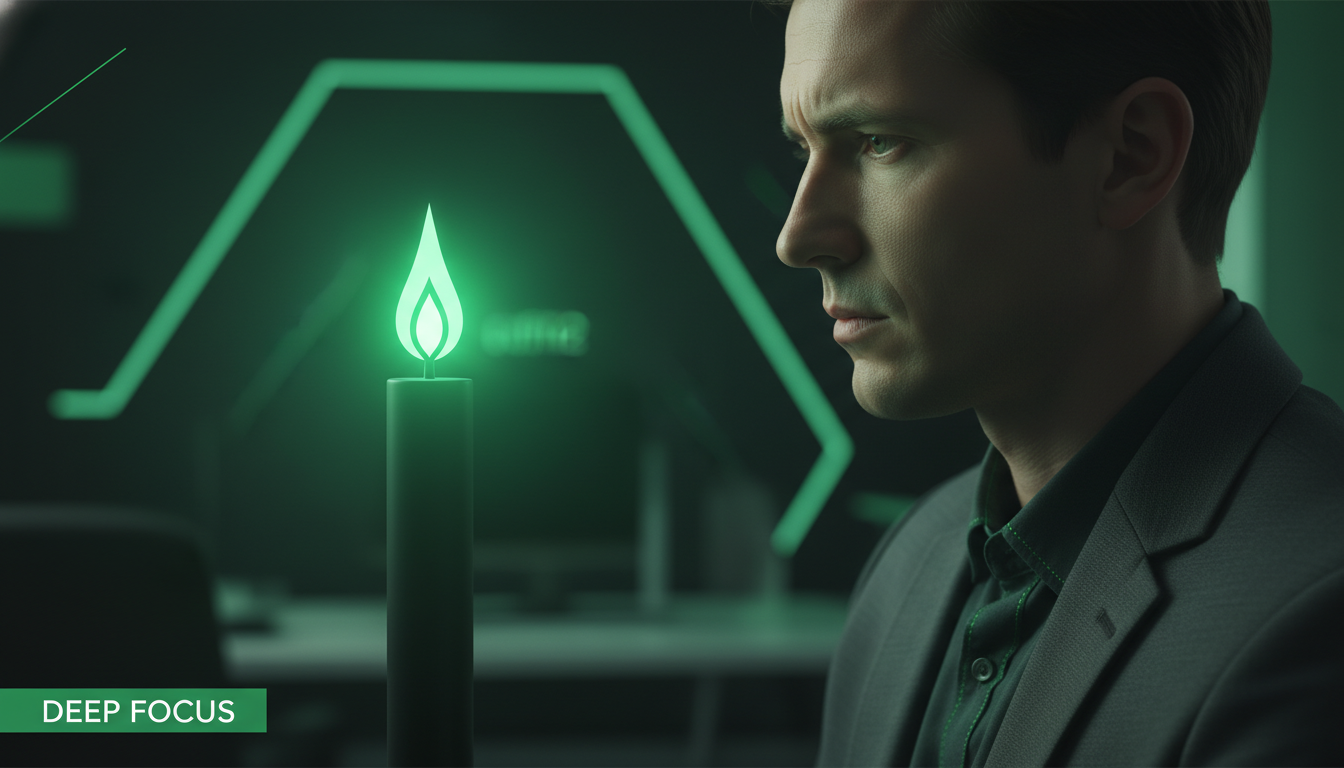
Concentration meditation (often called focused attention) is the practice of:
- Choosing one object (breath at the nostrils, a mantra, a candle flame, counting)
- Returning to it every time your mind wanders
- Building steadiness through repetition
If mindfulness is learning to watch the whole weather system, concentration is learning to hold the steering wheel.
What it trains
Concentration strengthens:
- Sustained attention (staying with the task)
- Inhibitory control (not following every thought)
- Cognitive stability (less mental jumping)
The common misconception
A lot of people think concentration = “forcing your mind to behave.” That’s the fast track to frustration.
Good concentration is firm but kind—like guiding a puppy back to a mat, 200 times, with zero drama.
The real differences that matter in everyday life (not theory) ⚖️
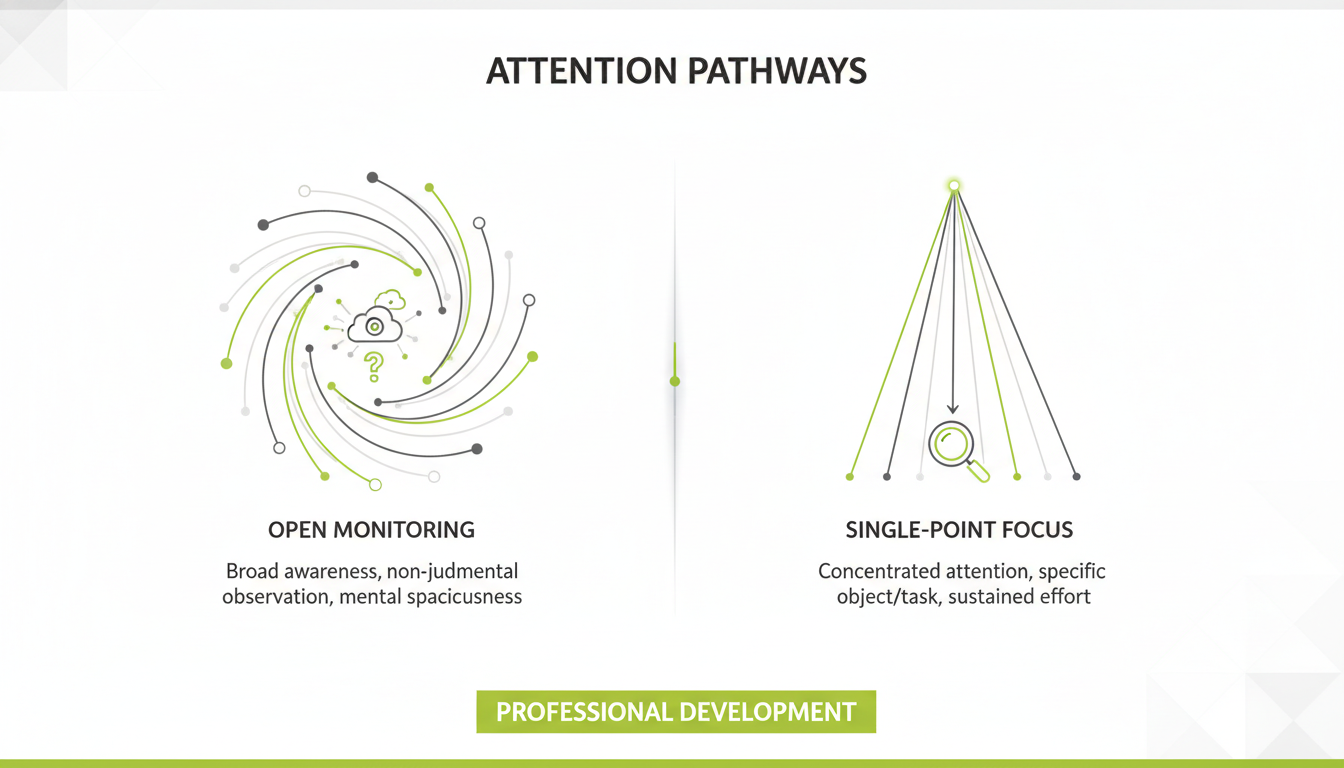
Here’s where people get tripped up: both styles use attention, but they use it differently.
| Dimension | Mindfulness (open monitoring) | Concentration (focused attention) |
|---|---|---|
| Attention width | Wide/open | Narrow/anchored |
| Relationship to thoughts | Notice and allow; don’t chase | Treat thoughts as distractions; return to anchor |
| Emotional intensity | Can increase awareness of emotion early on | Often reduces felt intensity by stabilizing focus |
| Progress feels like | More clarity, less reactivity | More steadiness, fewer distractions |
| Common “stuck” pattern | Over-observing, getting flooded, analyzing | Over-efforting, perfectionism, suppressing |
If you’re choosing between them, the key isn’t “which is better?” It’s: which problem are you solving right now?
Who is each style best for? Use this decision table ✅
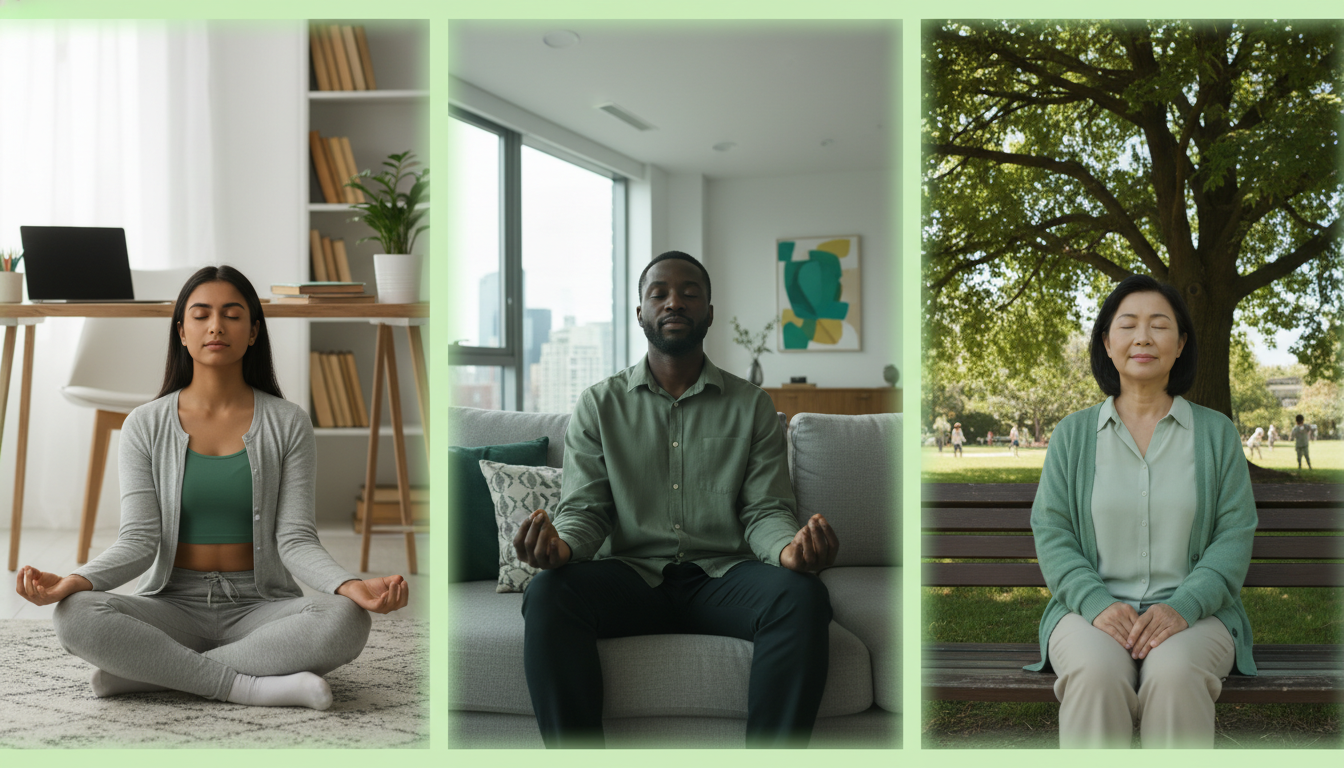
Let’s make this practical. Match the method to your current brain + life situation.
| If you relate to this… | You’ll usually do better starting with… | Why |
|---|---|---|
| You ruminate, overthink, replay conversations | Mindfulness 🌿 | You’re training “seeing thoughts” instead of fusing with them |
| You feel scattered, doomscroll-y, can’t stay on tasks | Concentration 🔥 | You’re training sustained attention and reducing mental drift |
| You get emotionally triggered fast (irritability, panic spikes) | Concentration → then mindfulness | Stabilize first, then widen awareness safely |
| You’re highly self-critical/perfectionistic | Mindfulness (with self-compassion) | Concentration can become another “test” if you’re harsh |
| You have ADHD traits and hate sitting still | Short concentration blocks + movement | A clear anchor + brief reps often works better than open monitoring |
| You’re processing grief or big life transitions | Mindfulness | Creates space to feel without being consumed |
| You want performance focus (study, music, sports) | Concentration | Directly trains the skill you’re trying to use under pressure |
A critical safety section: when mindfulness or concentration can feel worse ⚠️
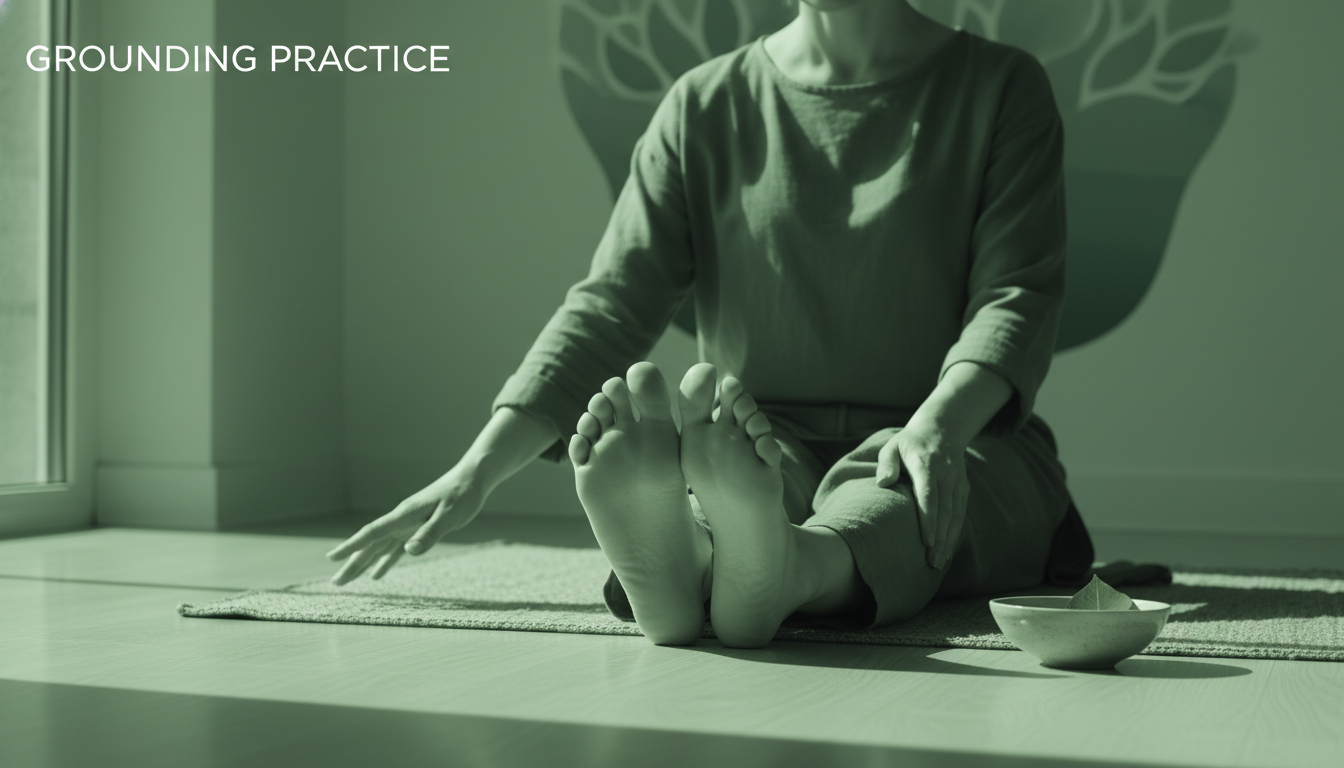
Meditation is powerful. And yes—sometimes it stirs things up.
You should be extra cautious (and consider guided support) if you experience:
- Trauma symptoms (flashbacks, dissociation, emotional numbing)
- Panic attacks that worsen when you sit quietly
- Strong depersonalization/derealization (“I feel unreal”)
- Severe depression with shutdown or suicidal thoughts
Common problems—and what to do instead
| Problem | Why it happens | What to try |
|---|---|---|
| You feel flooded doing mindfulness | Open monitoring increases contact with emotion | Switch to concentration, shorten sessions, keep eyes open, ground in external sounds |
| Concentration makes you tense | You’re forcing focus | Soften the effort, use a gentler anchor (hands on belly), reduce the “goal” mindset |
| You get sleepy | Under-arousal | Sit upright, practice earlier in day, choose breath at nostrils, use counting |
| You feel restless | Nervous system activation | Add light movement first (walk 5 minutes), then do 3–5 minutes seated |
If anxiety is a major issue for you, pairing meditation with grounding can be a game changer. You can learn practical grounding steps in this guide: breathing and grounding techniques to reduce anxiety.
How to choose your method in 2 minutes (a decision checklist) 🧭
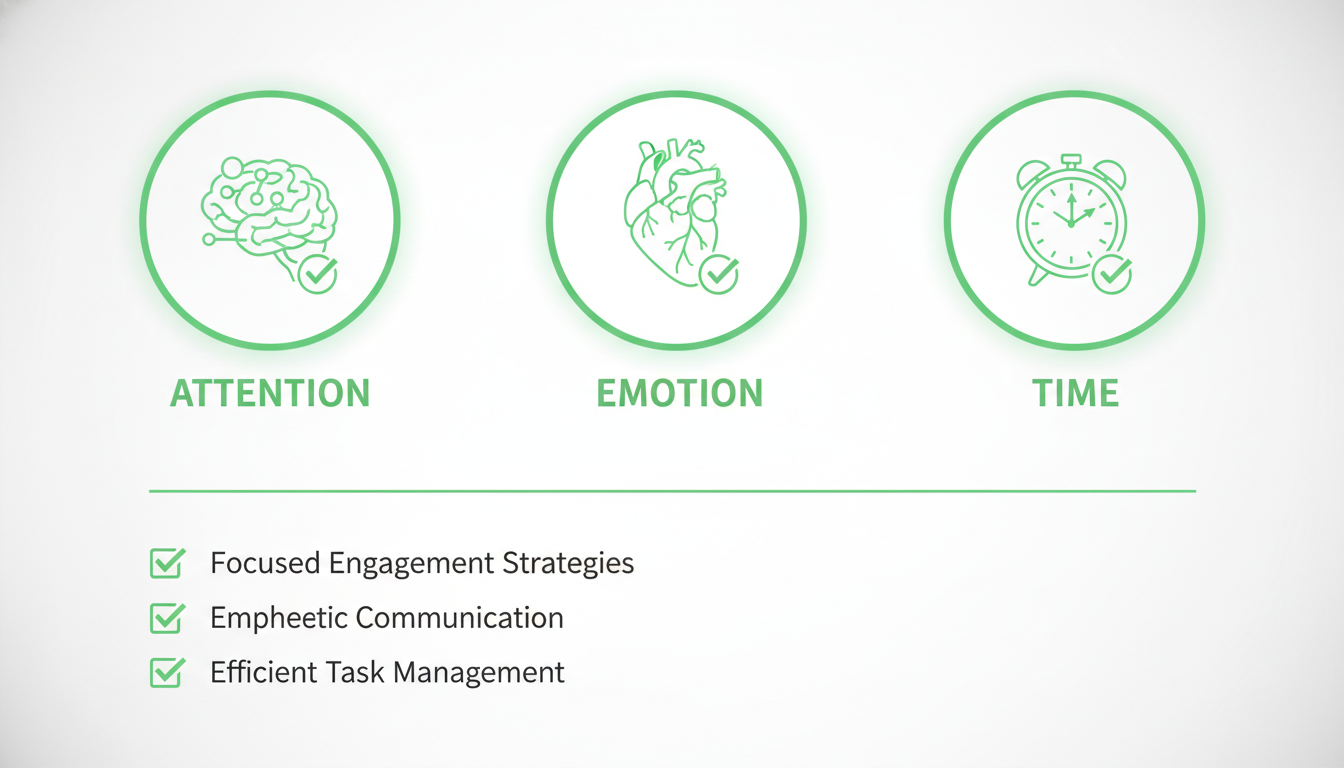
Answer these honestly:
- Do you need stability first (calm + focus)? Or insight first (understanding your patterns)?
- When you sit quietly, do you feel more regulated or more activated?
- Are you more stuck in mental noise or emotional reactivity?
- Can you tolerate noticing thoughts without spiraling?
- Do you tend to force yourself or avoid yourself?
A simple decision map
| Your current state | Start with | Then add |
|---|---|---|
| Overwhelmed, panicky, scattered | Concentration (3–10 min) | Mindfulness (1–5 min) |
| Numb, disconnected, on autopilot | Mindfulness (5–10 min) | Concentration (optional) |
| Overthinking + self-judgment | Mindfulness + compassion | Light concentration |
| High performer prepping for exams/presentations | Concentration | Brief mindfulness for recovery |
Guided practice: two beginner-friendly routines (10 minutes each) ⏱️
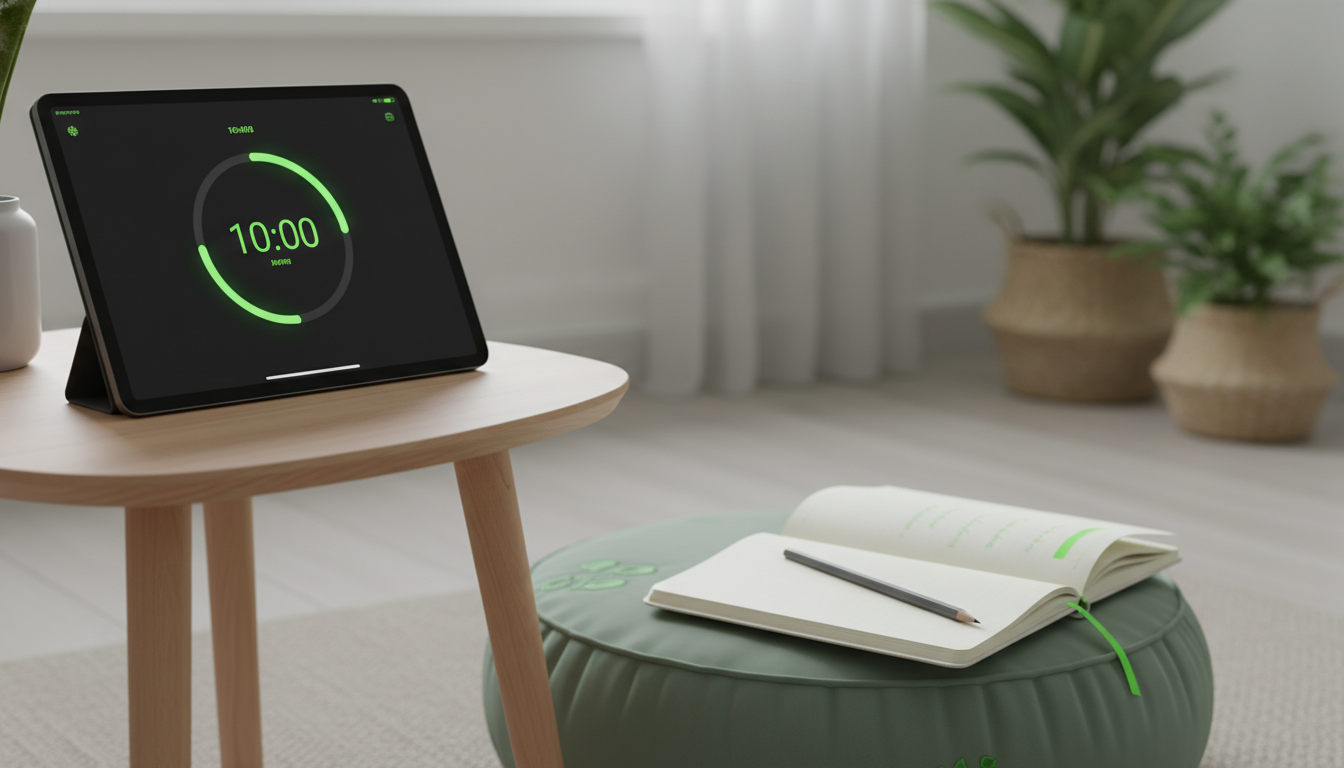
Consistency beats intensity. Do either routine 5 days/week for 2–3 weeks, then reassess.
Routine A: Concentration (focused attention) 🔥
- Set a timer: 10 minutes.
- Choose an anchor: breath at nostrils or belly.
- Silently note: “in” on inhale, “out” on exhale.
- When distracted: say “thinking,” return to “in/out.”
- Final 30 seconds: relax your face and shoulders.
Success metric: how quickly you return, not how often you wander.
Routine B: Mindfulness (open monitoring) 🌿
- Set a timer: 10 minutes.
- Start with 3 breaths, feeling your feet on the floor.
- Notice what arises: sensation, thought, emotion.
- Use soft labels: “pressure,” “planning,” “worry,” “warmth.”
- If you get pulled in: return to body sensations for 2–3 breaths.
Success metric: less judgment, more noticing.
Here’s a guided video you can use to practice at home:
After the video, take 30 seconds to write one sentence: “Right now, I notice ___.” That tiny reflection helps lock in the skill.
The most effective approach for most people: a hybrid (stabilize → observe) 🧩
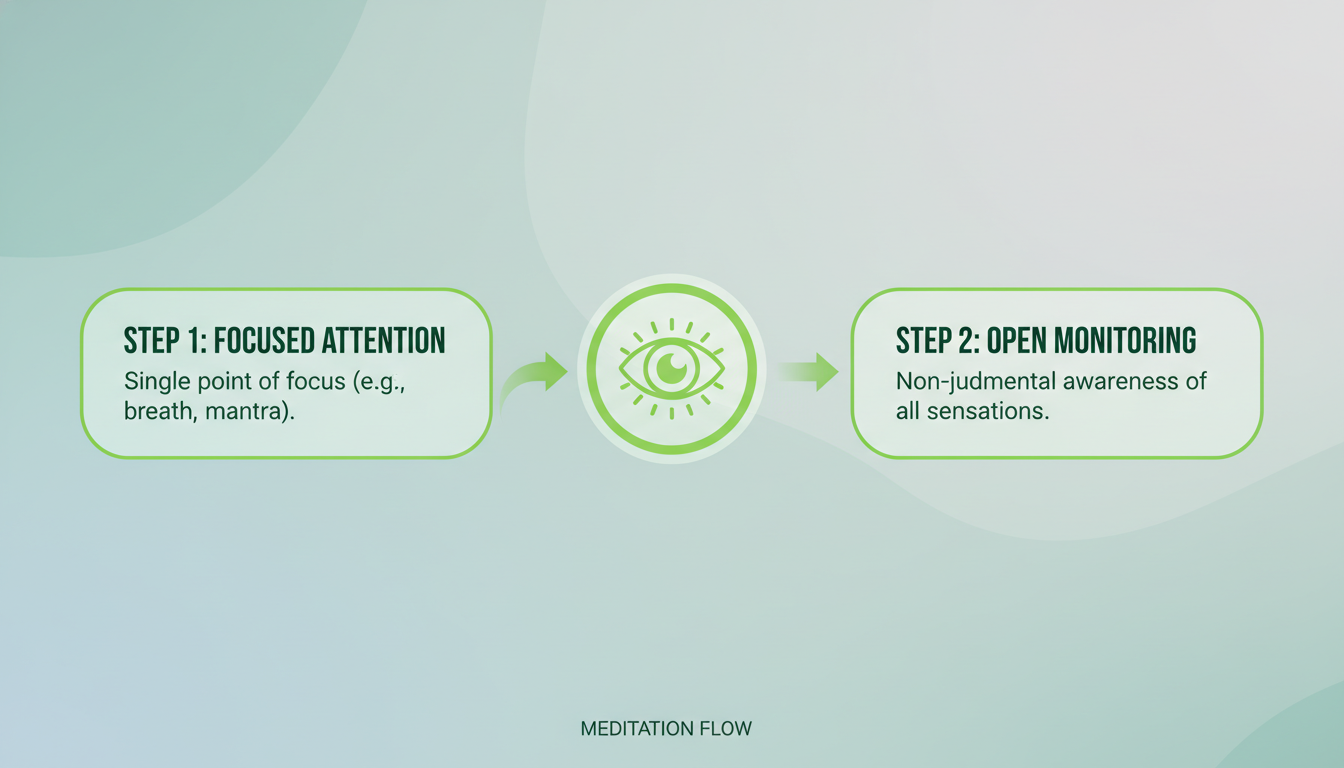
If you’re unsure where you land, this combo is hard to beat:
- 2–5 minutes concentration (settle the mind)
- 5–10 minutes mindfulness (observe patterns without getting dragged)
This structure is also how many evidence-based programs are effectively taught: you build attentional control, then widen awareness.
When meditation isn’t enough (and what to do next) 🤝
Meditation can help a ton—but it’s not a full treatment plan for everything.
Consider getting support if:
- You’ve tried consistently for a month and feel worse, not better
- You’re dealing with ongoing panic, trauma symptoms, or shutdown
- You want a structured plan (skills + accountability + personalized pacing)
If you’re wondering whether it’s time to talk to someone, this guide can help you decide: signs it may be time to seek mental health support.
And if you want 1:1 guidance in a supportive, structured way, you can explore Đồng Hành Cùng Tiên — support services. If you already know you’re ready, you can also reach out via the contact page.
Bottom line: which one should you pick? ✅
If your life is being run by emotional reactions and rumination, start with mindfulness.
If your life is being run by distraction and mental chaos, start with concentration.
If you’re not sure (most people aren’t), do the hybrid: stabilize first, then observe. That’s the cleanest path to real-world results—calmer nervous system, clearer thinking, and more choice in how you respond.