

Ứng Dụng Theo Dõi Tâm Trạng Và Sức Khỏe Tinh Thần Bằng Tiếng Việt: Tiêu Chí Chọn Và Gợi Ý Công Cụ
Mood tracking and mental-health apps in Vietnamese can be a game-changer—especially if you want to understand patterns (sleep → mood, work stress → anxiety spikes, cycle → irritability) without journaling for 30 minutes a day. But let’s be honest: many apps are either not truly Vietnamese-first, or they bury you in features you’ll never use. 😵💫
This guide gives you clear selection criteria and a curated list of practical tools you can start using today—whether you’re a Vietnamese speaker living in the US or supporting Vietnamese-speaking family members.
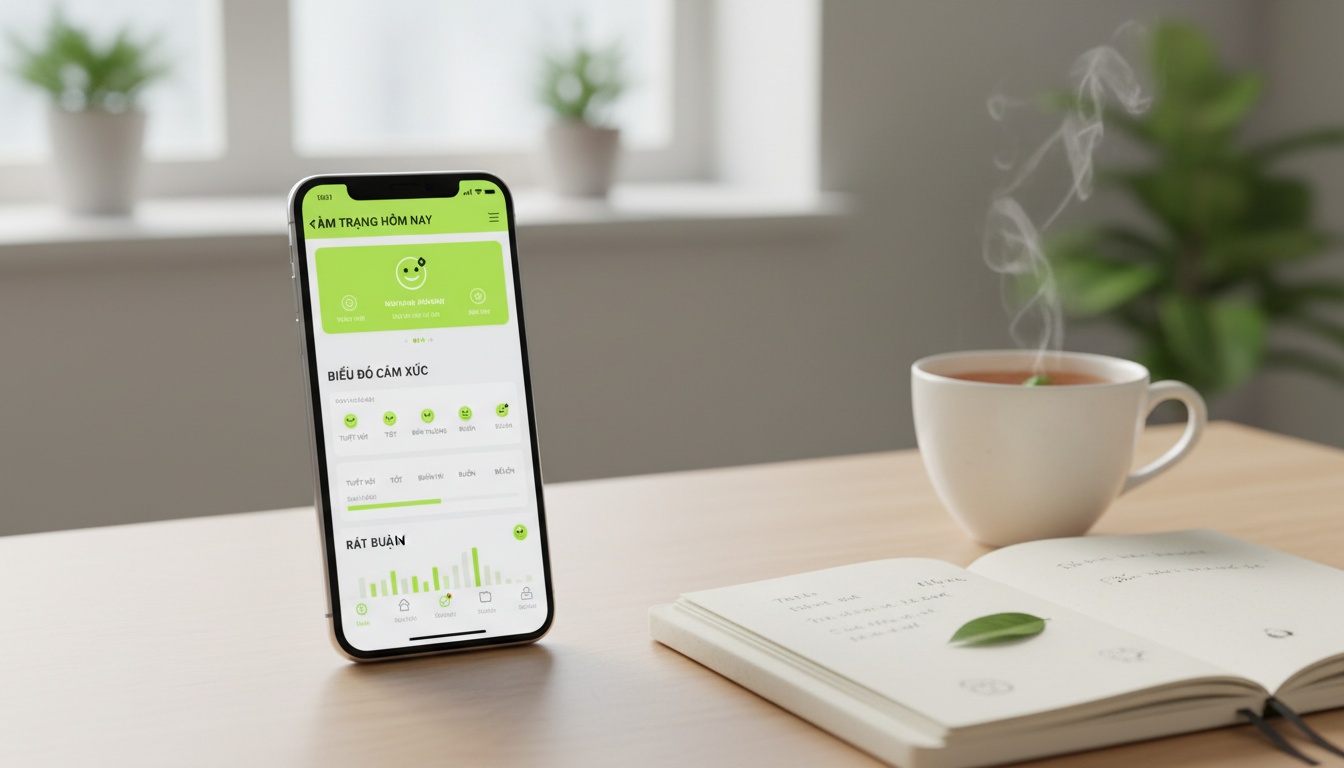
Why track mood & mental health digitally (and when it actually helps) 📈🧠
Mood tracking isn’t about “quantifying your feelings.” It’s about making the invisible visible.
You’ll typically benefit most if you want to:
- Spot triggers (deadlines, conflict, caffeine, doomscrolling)
- Catch early warning signs of burnout, anxiety spirals, or low mood
- Build emotional vocabulary (naming emotions reduces overwhelm)
- Bring clearer info into therapy/coaching (less “I don’t know… I just felt bad”)
But here’s the blunt truth: an app won’t replace care if you’re struggling hard. If you’re unsure whether you should get extra support, start here: When it’s time to seek mental health support (early signs of anxiety, chronic stress, emotional crisis).
What “Vietnamese language support” should mean (not just a translated menu) 🇻🇳
A lot of apps claim Vietnamese support but only translate a few labels. For real usability, you want:
- Vietnamese emotion words that feel natural (not robotic or overly clinical)
- Vietnamese prompts for journaling and reflections
- Unicode-friendly input (telex/vni typing without breaking)
- Culturally aware examples (family pressure, saving face, generational expectations)
If an app gives you “Happy/Sad/Angry” only, it’s not Vietnamese-first—it’s just a UI skin.
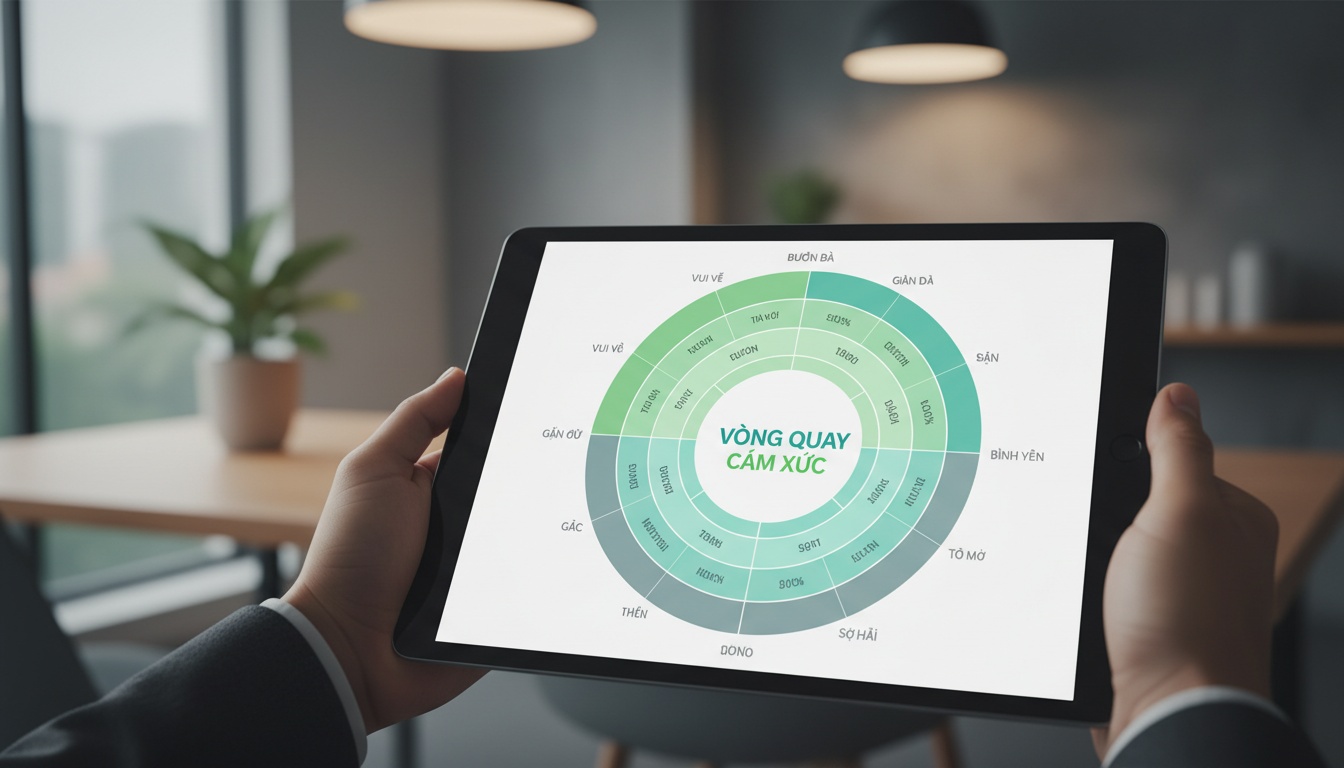
The criteria that matter most (your no-nonsense checklist) ✅
1) Friction: Can you log in under 30 seconds?
If logging feels like homework, you’ll quit. Look for:
- One-tap mood logging
- Widgets/shortcuts
- Reminders that don’t guilt-trip you 😅
2) Data depth: Does it capture what drives your mood?
Minimum viable set:
- Mood rating + emotion labels
- Notes/journaling (optional)
- Tags (sleep, work, relationships, food, cycle, meds)
3) Insight quality: Does it show patterns you can act on?
Good apps turn logs into:
- Weekly/monthly trends
- Trigger correlations
- “What helped” summaries
4) Privacy & security: This is the big one 🔒
You’re logging sensitive mental-health data. Check:
- Clear privacy policy
- Local lock (Face ID / PIN)
- Export/delete options
- Whether data is sold/shared for ads (avoid if unclear)
5) Vietnamese support (real-world usable)
- Full Vietnamese UI
- Vietnamese prompts
- Vietnamese-friendly emotion vocabulary
6) Cost & paywalls: Where do you hit the wall?
Some apps look free until you need:
- Export
- Trends beyond 7 days
- Unlimited entries
- CBT tools
7) Fit with your support plan (solo vs with a professional)
If you’re doing therapy/coaching, you want:
- Export to PDF/CSV
- Simple charts you can discuss in sessions
- A consistent routine (daily or 3x/week)
If you’re exploring formats of help (1:1 vs group), read: Choosing individual vs group mental health support: pros/cons and who each fits.
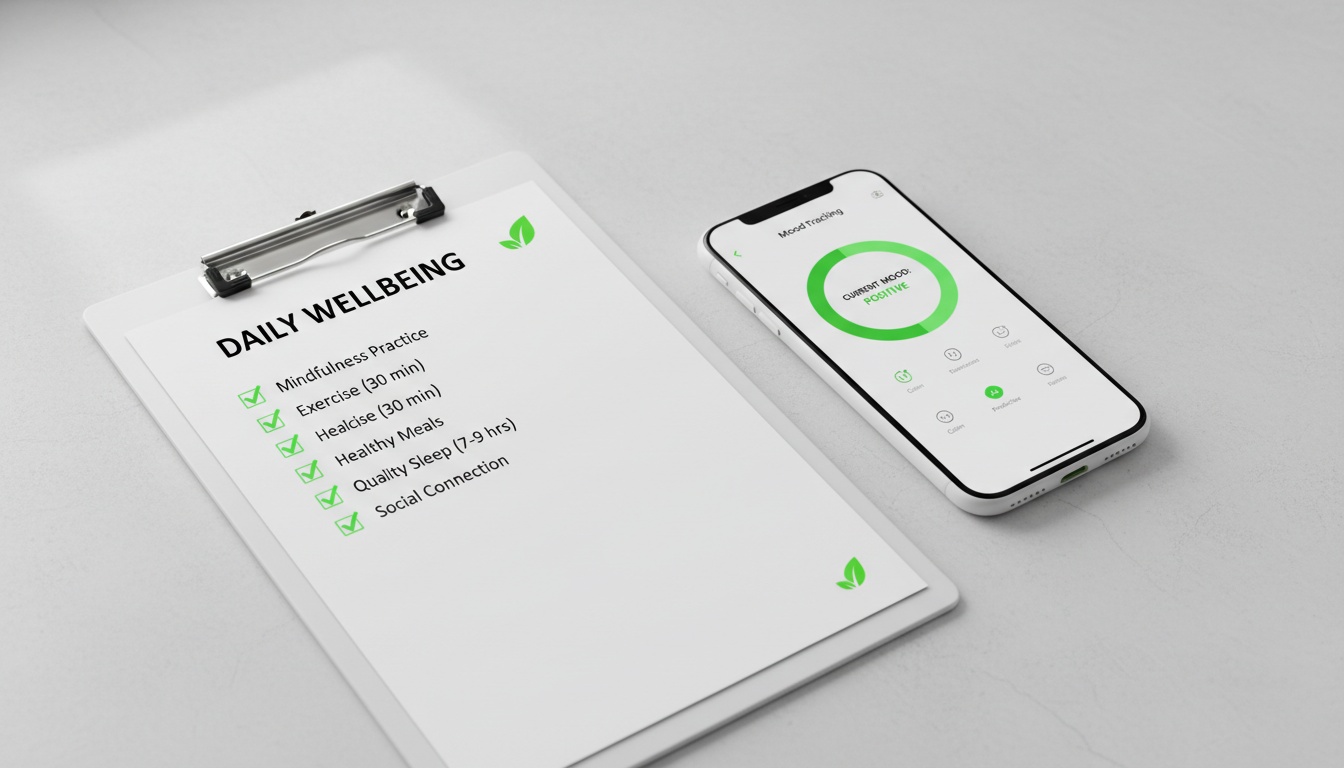
Quick comparison table: Vietnamese-friendly options vs best-in-class tools
Because “best” depends on what you need, here’s a practical comparison you can scan fast.
| Tool | Vietnamese UI | Best for | Strengths | Trade-offs |
|---|---|---|---|---|
| Daylio | Partial/varies by device/app version | Fast daily mood tracking | Super low friction, tags, charts | Vietnamese depth may be limited; many features behind paid |
| Bearable | No (mostly English) | Symptom + mood + habit correlations | Powerful tracking, customizable factors | Setup can feel heavy; not Vietnamese-first |
| MindDoc | No (mostly English) | Structured mental health check-ins | Evidence-informed check-ins, insights | Language barrier for Vietnamese users |
| Finch | No (mostly English) | Self-care gamified routine | Gentle motivation, habit loops | Not a clinical tracker; language barrier |
| iMoodJournal | No (mostly English) | Simple mood journaling | Straightforward, exports | UI feels dated; not Vietnamese |
| Stoic | No (mostly English) | Guided journaling + reflections | High-quality prompts, mood + mindset | Paid for full value; not Vietnamese |
The takeaway is clear: if Vietnamese language is a must-have, you may need to test a few apps and prioritize the one you’ll actually use consistently—even if it’s less “feature-rich.”
Recommended tools (with who they’re best for) 🧰
1) Daylio (mood + activities tracker)
Best for: you want fast logging with simple patterns.
What you’ll like:
- Tap-to-log mood in seconds
- Add activities/tags (work, family, sleep, exercise)
- Clean trend charts
What to watch:
- Vietnamese support may not be deep (depends on localization)
- Many useful features require paid upgrade
Get it here: Download Daylio mood tracker
2) Bearable (mood + symptoms + habits, correlation-heavy)
Best for: you want to answer “What’s actually affecting my mood?” with data.
What you’ll like:
- Track sleep, energy, anxiety, pain, meds, cycle, food
- Correlation insights (e.g., poor sleep → irritability)
- Highly customizable
Trade-off:
- Setup takes time; can feel like building a spreadsheet
Get it here: Explore Bearable symptom & mood tracker
3) MindDoc (structured check-ins and mental health monitoring)
Best for: you want guided check-ins instead of free journaling.
What you’ll like:
- Evidence-informed mood check-ins
- Summaries you can share with a professional
- Good for people who don’t know what to write
Trade-off:
- Mostly English; not Vietnamese-first
Get it here: Try MindDoc mood check-ins
4) Finch (self-care routine with gentle gamification)
Best for: you’re low on motivation and need soft structure.
What you’ll like:
- Daily self-care tasks that feel light
- Mood check-ins plus reflections
- Encouraging without being intense 🐦
Trade-off:
- Not a deep analytics tool; language barrier
Get it here: Start a self-care routine with Finch
5) Stoic (guided journaling + CBT-style reflections)
Best for: you want high-quality prompts and a journaling habit.
What you’ll like:
- Thoughtful prompts and reflections
- Mood tracking + mindset exercises
- Great UX
Trade-off:
- Paid plan needed for full experience; not Vietnamese
Get it here: Explore Stoic guided journaling
A simple 7-day setup you can follow (without burning out) 🗓️
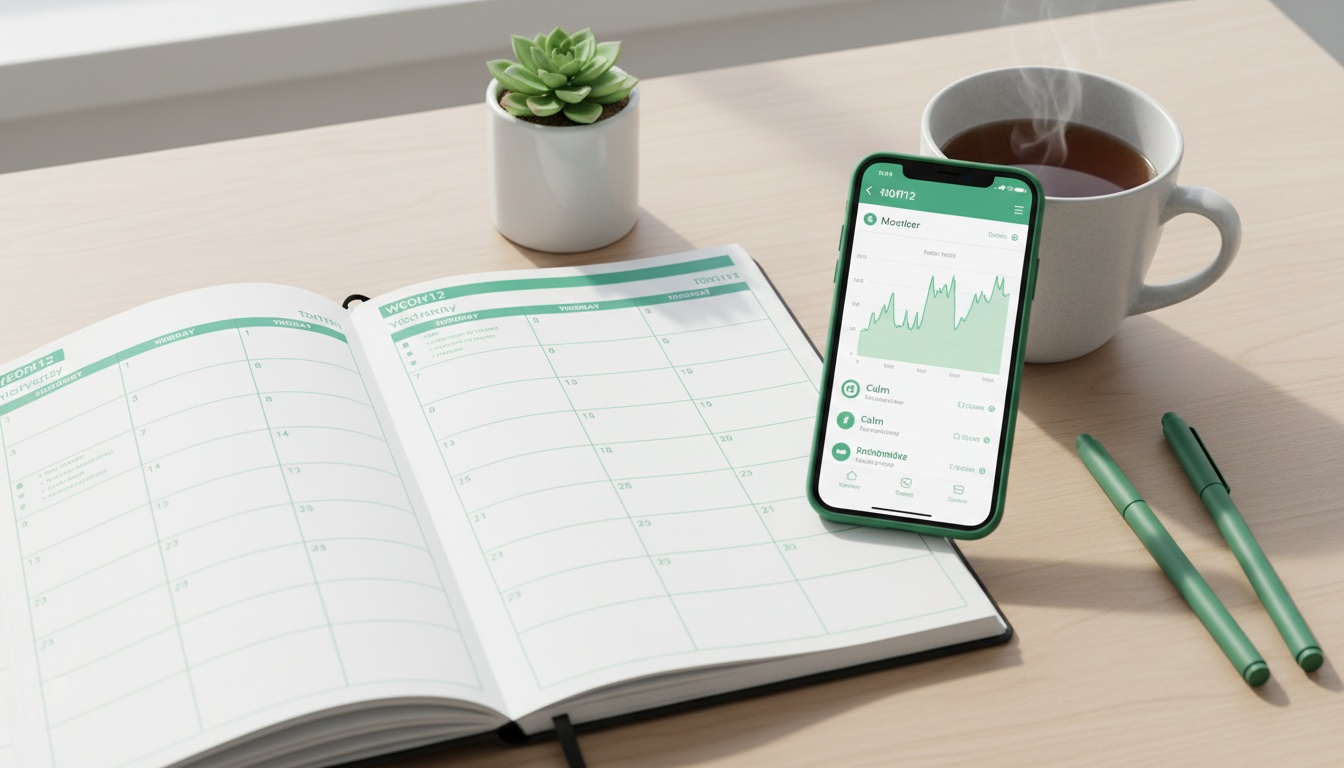
Day 1–2: Keep it ridiculously simple
Log:
- Mood (1–5)
- One tag: “sleep” or “work” That’s it.
Day 3–4: Add 2–3 tags you suspect matter
Good starter tags:
- Sleep quality
- Social connection
- Exercise
- Caffeine
- Conflict
- Screen time
Day 5–7: Add one short reflection prompt
Use one line:
- “What happened right before this mood?”
- “What helped even 5%?”
- “What do I need tomorrow?”
If you want structured journaling prompts in a healing format, pair your app with: Therapeutic journaling: a 30-day healing plan.
How to use your logs to actually feel better (not just collect data) 🎯
Data is only useful if it changes behavior. Each week, review:
- Top 3 triggers (what reliably precedes low mood)
- Top 3 supports (what helps—walks, music, boundaries, sleep)
- One experiment for next week (small and specific)
Examples:
- If low mood follows late-night scrolling → set a 20-minute wind-down alarm
- If anxiety spikes after meetings → schedule 5-minute breathing/grounding right after
And if you want a practical grounding routine that pairs perfectly with tracking, this video fits right here:
Privacy essentials: protect your mental-health data 🔐

Before you commit to an app, do this quick safety pass:
- Turn on device lock + app lock (Face ID/PIN)
- Check export + delete options
- Read the privacy policy for:Ads/third-party sharingData retentionHow they handle sensitive health info
If the policy is vague or hard to find, skip it. You don’t need that stress.
Which tool should you choose? (Fast decision guide) ⚖️
| If you are… | Choose… | Why |
|---|---|---|
| Busy and you quit apps easily | Daylio | Lowest friction, fast streak-building |
| Data-driven and want correlations | Bearable | Best “why do I feel this way?” tracking |
| Want guided check-ins | MindDoc | Structured prompts reduce decision fatigue |
| Need motivation and gentle self-care | Finch | Builds routine when you’re depleted |
| Want deeper journaling prompts | Stoic | High-quality reflection framework |
When an app isn’t enough (and what to do next) 🧭
If you’re logging consistently but still feel stuck—constant anxiety, numbness, panic, sleep collapse, relationship blow-ups—the issue may not be “lack of tracking.” It may be that you need real-time support and a plan.
You can explore support options with Ngọc Tĩnh here: View mental health support services with Ngọc Tĩnh. And when you’re ready to reach out: Contact Ngọc Tĩnh - Hỗ Trợ Tâm Lý.
FAQ: mood tracking apps in Vietnamese (quick answers) 🙋♀️🙋♂️
Do Vietnamese-language apps exist that are high quality?
Some apps offer Vietnamese UI, but true Vietnamese-first mental health content (prompts, emotion vocabulary, culturally relevant reflections) is still limited. Your best approach is: prioritize consistency + privacy, then add Vietnamese journaling prompts separately if needed.
How often should you track your mood?
Daily is great, but 3–4 times/week is enough to see patterns. More isn’t always better—especially if tracking becomes obsessive.
Can you share your data with a therapist or coach?
Yes—choose an app with export to PDF/CSV or clean weekly summaries. Even a simple trend chart can make sessions more productive.
The bottom line ✅
The best “ứng dụng theo dõi tâm trạng và sức khỏe tinh thần bằng tiếng Việt” isn’t the one with the most features. It’s the one you’ll use in under a minute, that protects your privacy, and that turns your feelings into patterns you can act on.
Pick one tool from the list, run the 7-day setup, and review your trends weekly. Small data. Real clarity. Better choices. 🌿