

Chi Phí Tham Vấn Tâm Lý Thường Gồm Những Gì: Các Yếu Tố Ảnh Hưởng Và Cách Lập Ngân Sách
If you’ve ever tried to price out therapy or psychological counseling, you already know the problem: it’s not “one number.” It’s a stack of choices—session length, format, provider experience, location, and sometimes extra services you didn’t expect. 😵💫
This guide answers the question behind the Vietnamese keyword “chi phí tham vấn tâm lý thường gồm những gì: các yếu tố ảnh hưởng và cách lập ngân sách”—in plain English, for a US reader—so you can estimate your real out-of-pocket cost and build a budget you’ll actually stick to.

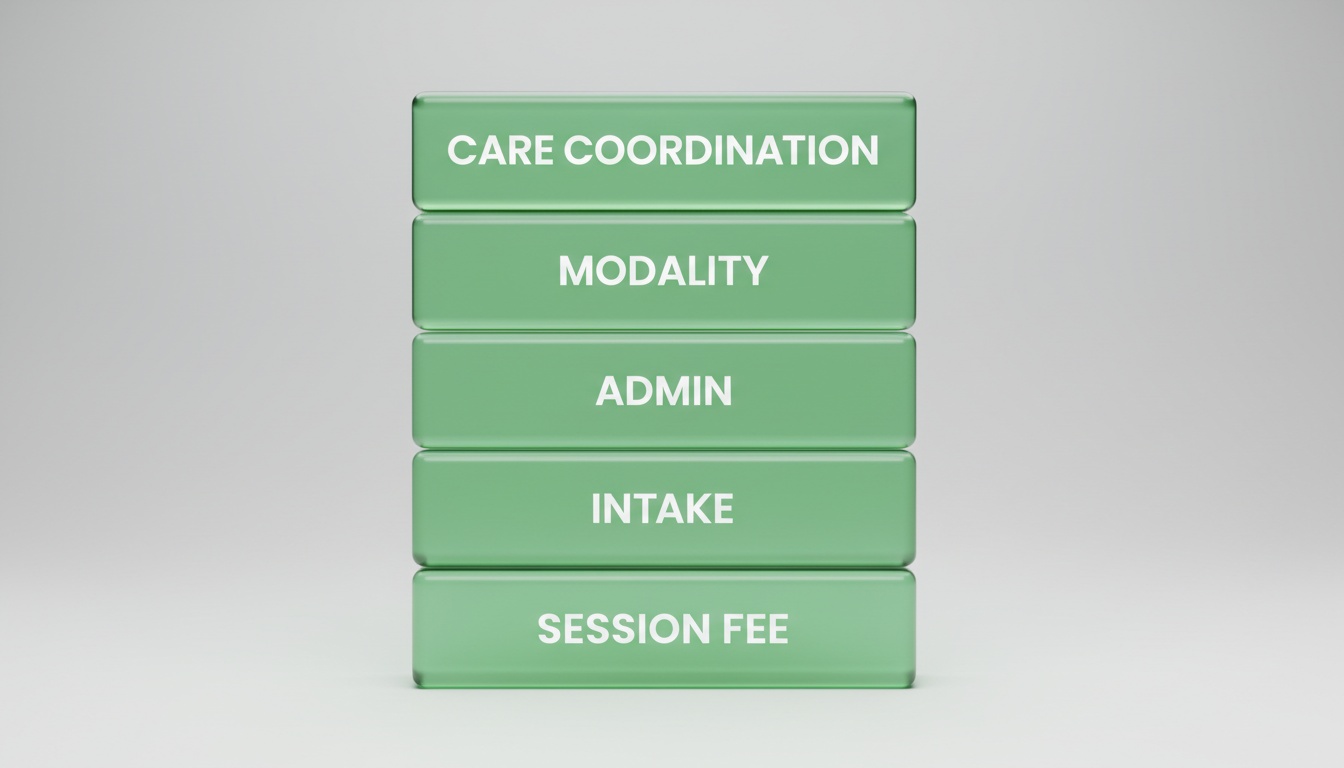
What psychological counseling costs typically include (the “real” cost breakdown)
Therapy fees aren’t just paying for someone to talk with you. You’re paying for time, expertise, risk management, planning, and continuity of care. Here’s what commonly goes into the cost.
1) The session fee (the base rate)
This is the headline number—usually priced per session (often 45–60 minutes). What’s embedded inside it:
- Provider’s training + licensing requirements
- Time spent preparing and documenting (even if you don’t see it)
- Office overhead or telehealth platform costs
- Business operations (scheduling, billing, compliance)
2) Intake / initial assessment (often priced differently)
Many providers charge the first session at a different rate because it includes:
- Detailed history + symptom screening
- Goals and treatment plan outline
- Risk assessment (safety planning when needed)
Some practices keep the intake fee the same; others price it higher because it can run longer.
3) Administrative add-ons (sometimes hidden until you ask)
Depending on the provider and setting, you may encounter fees for:
- Letters/forms (work accommodations, school documentation)
- Insurance paperwork or superbills
- Missed appointments or late cancellations
- Extended sessions beyond the standard time
Let’s be honest: these fees are where budgets get blindsided.
4) Modality and tools (what kind of therapy you’re doing)
Certain approaches can come with extra structure—worksheets, skills coaching, between-session plans, or specialized training. If you’re comparing approaches, this explainer on therapy modalities can help you understand what you’re paying for: compare common therapy approaches (CBT, ACT, DBT, psychodynamic).
5) Care coordination (sometimes billed, sometimes included)
If your therapist collaborates with other professionals (primary care, psychiatry, school), coordination may be:
- Included in the session fee
- Billed separately as case management
- Limited unless you specifically request it
Key takeaway: The “session price” is only the starting point. Your actual cost depends on structure, policies, and how much support you need outside the room.
The biggest factors that influence cost (and why prices vary so much)
There are legitimate reasons counseling prices vary. Here are the variables that matter most when you’re budgeting.
Provider credentials and experience
In the US, pricing often rises with:
- Years in practice
- Specializations (trauma, OCD, eating disorders, couples work)
- Advanced training/certifications
More experience doesn’t automatically mean “better for you,” but it often means more targeted pattern recognition and tighter treatment planning—which can reduce the number of sessions you need.
Session length and intensity
Common formats:
- 45 minutes
- 50 minutes (“therapy hour”)
- 60 minutes
- 75–90 minutes (sometimes couples/family)
Longer sessions aren’t always the answer. But if you’re doing deeper work or you feel rushed every week, a longer session can be more efficient.
Location and cost of living
A therapist’s rate typically reflects:
- Local office rents
- Market rates
- State-level business costs
Telehealth can reduce overhead, but many providers still price telehealth similarly because the clinical work (and responsibility) is the same.
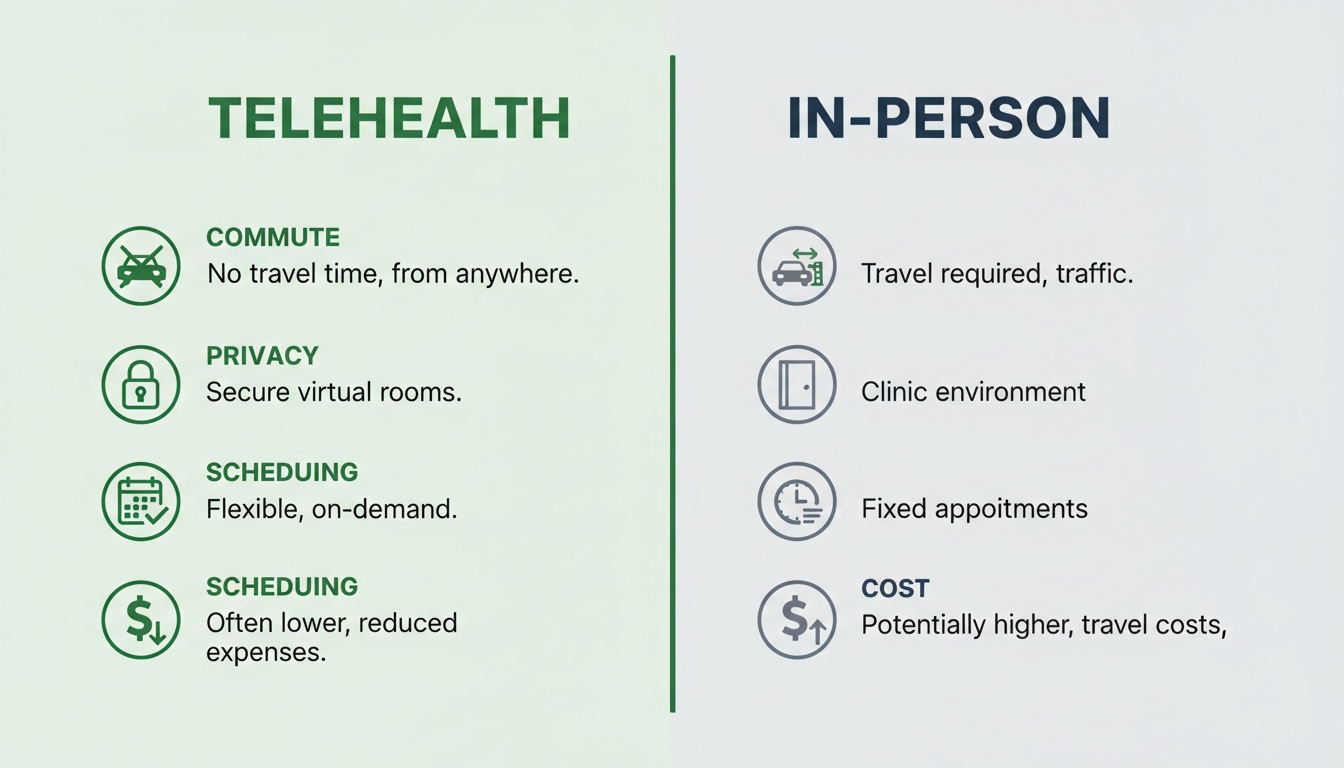
Telehealth vs in-person
Telehealth can be more budget-friendly when it reduces your “side costs,” like:
- Transportation
- Childcare
- Time off work
But some clients do better in person—so “cheaper” isn’t always “better value.”
Insurance vs self-pay
This is the big one.
- Insurance can lower your cost per session, but you may deal with deductibles, copays, limited provider networks, and diagnosis requirements.
- Self-pay tends to be more straightforward and private, but higher per session.
If you’re deciding whether to involve people close to you or seek professional support, this is a helpful reality check: why talking to loved ones isn’t always enough—and what safer support looks like.
Typical price ranges in the US (use these as planning numbers)
Because prices vary by region and credentialing, the cleanest way to budget is to use ranges and then tighten your estimate with a few questions (we’ll do that below).
Session price benchmarks (planning ranges)
| Service type | Typical duration | Common US range (self-pay) | When it tends to be higher |
|---|---|---|---|
| Individual counseling/therapy | 45–60 min | $100–$250/session | Major metros, highly specialized care |
| Intake / initial assessment | 60–90 min | $150–$350/session | Extended diagnostic intakes |
| Couples therapy | 60–90 min | $150–$350/session | High-conflict, longer sessions |
| Group therapy | 60–90 min | $30–$80/session | Specialty groups may cost more |
| Sliding-scale sessions | 45–60 min | Varies | Limited slots, documentation required |
These aren’t “promises”—they’re budget anchors so you can do the math without guessing.
The hidden costs people forget to budget for (and how to avoid surprises)
Therapy budgeting fails when you plan for the session fee but ignore everything around it. Here are the usual suspects—and how to handle them like an adult with a spreadsheet. ✅

Late cancellation / no-show policies
Many providers charge 50%–100% of the session fee if you cancel late or miss. Why? Because that time slot can’t be resold on short notice.
What you should do:
- Ask: “What’s your cancellation window and fee?”
- Put the window in your calendar with reminders
- If your schedule is chaotic, choose a provider with more flexible policies (or book times you can protect)
Frequency creep (weekly becomes “as needed” without a plan)
A common pattern: you start weekly, feel better, then drift—only to restart during a crisis. That can be emotionally expensive and financially messy.
Instead, agree on a review checkpoint:
- Reassess after 4 sessions or 8 sessions
- Decide whether to maintain weekly, taper to biweekly, or pause with a plan
Between-session support expectations
Some practices include brief messaging; others don’t. If you assume you’ll get ongoing support and you don’t, you may book more sessions than necessary.
Ask directly:
- “Do you offer brief between-session check-ins?”
- “Is that included or billed?”
Referrals and adjunct care
Depending on your needs, you might also spend on:
- Psychiatry/medication management
- Medical workups (sleep, thyroid, etc.)
- Workshops or skills groups
Not always required—but worth leaving room in your budget.
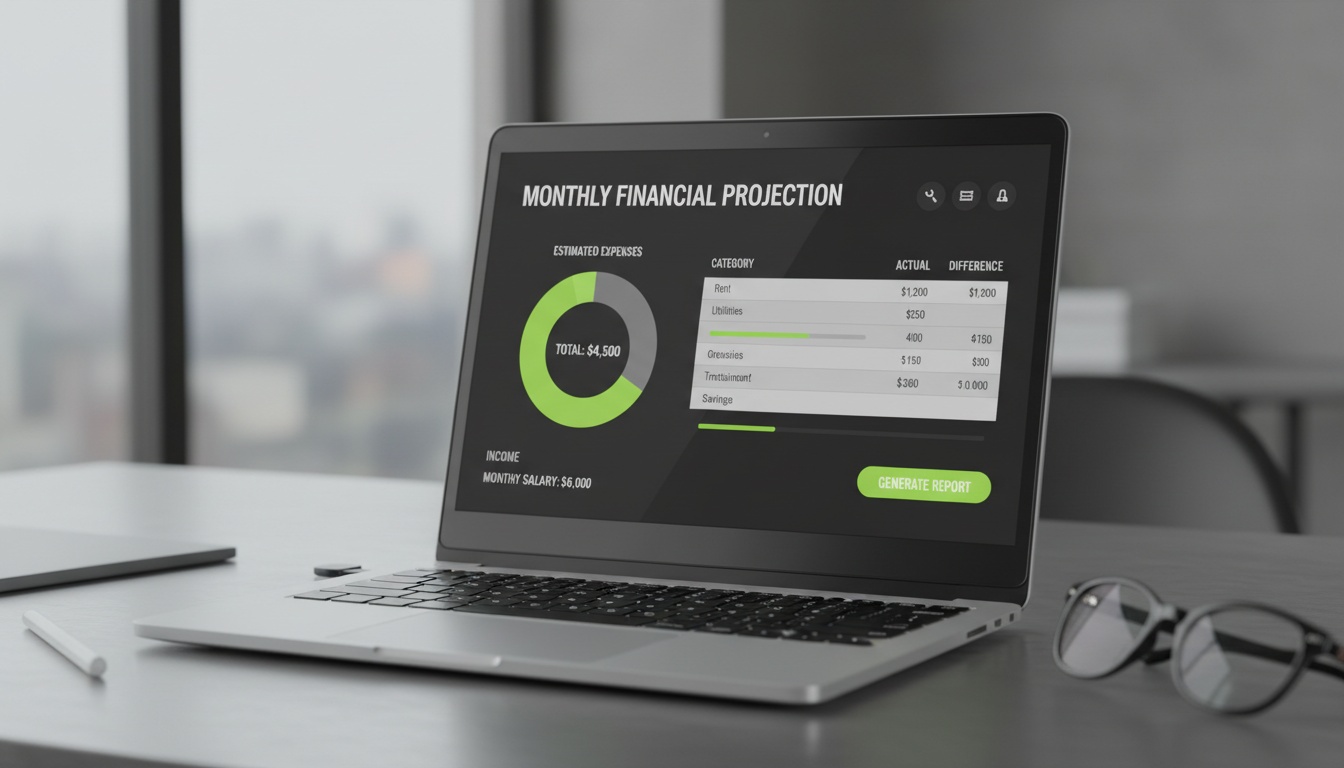
How to estimate your monthly counseling budget (simple formulas)
You don’t need a perfect forecast. You need a workable range that prevents money stress from sabotaging your care.
Step 1: Pick a planning frequency
Most people start with one of these:
- Weekly (4 sessions/month)
- Biweekly (2 sessions/month)
- Monthly (1 session/month)
Step 2: Use a conservative per-session number
If you’re unsure, choose a midpoint in your local range. Conservative is better than optimistic.
Step 3: Add a “policy buffer”
Set aside one extra fee every 2–3 months to cover:
- a late cancel
- an extra session during a rough week
- an intake fee
Monthly budget calculator (plug-and-play)
| Frequency | Sessions/month | If you pay $150/session | If you pay $200/session | If you pay $250/session |
|---|---|---|---|---|
| Weekly | 4 | $600 | $800 | $1,000 |
| Biweekly | 2 | $300 | $400 | $500 |
| Monthly | 1 | $150 | $200 | $250 |
If you’re using insurance, replace the per-session fee with your copay or estimated coinsurance—and don’t forget deductibles.
The takeaway is clear: Budgeting works best when you plan for a range, not a single “perfect” number.
How to choose a cost-effective option without choosing the cheapest option
“Affordable” should mean sustainable and effective, not just low price. Here’s how to evaluate value.
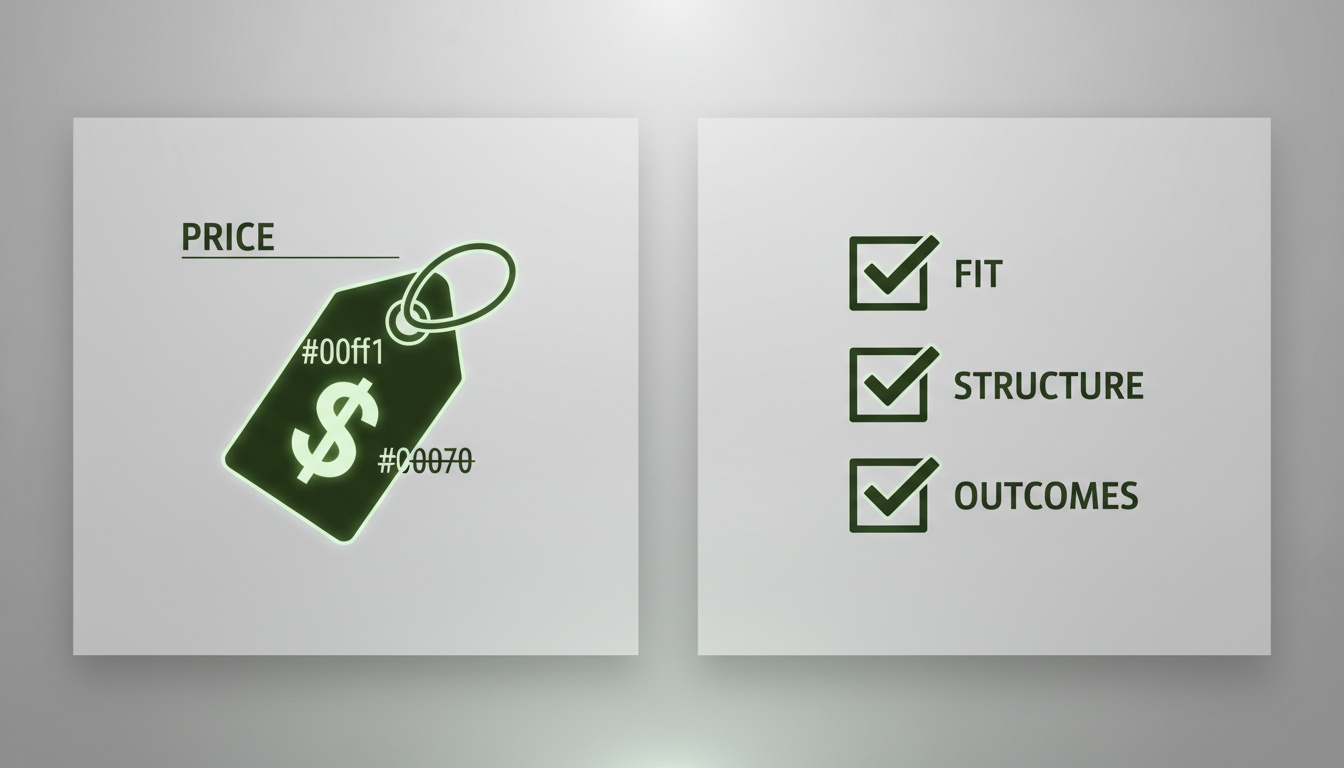
Look for fit and structure (not just credentials)
Good value often comes from:
- Clear goals
- A plan you understand
- Regular progress check-ins
- Skills you can practice between sessions
If you’re unsure how to vet providers, use this guide to avoid wasting time and money: how to choose the right mental health support companion (questions to ask + red flags).
Consider group support for specific goals
Group formats can be both:
- more affordable
- less isolating
But they’re not ideal for every situation (privacy concerns, complex trauma, crisis-level symptoms).
Match the intensity to your season of life
- Acute distress → weekly (or more support) may be worth the higher monthly cost
- Maintenance/growth → biweekly or monthly can keep momentum without draining your budget
Questions to ask before you book (to lock down your true cost)
These questions are practical, not awkward. A professional provider expects them. 💬
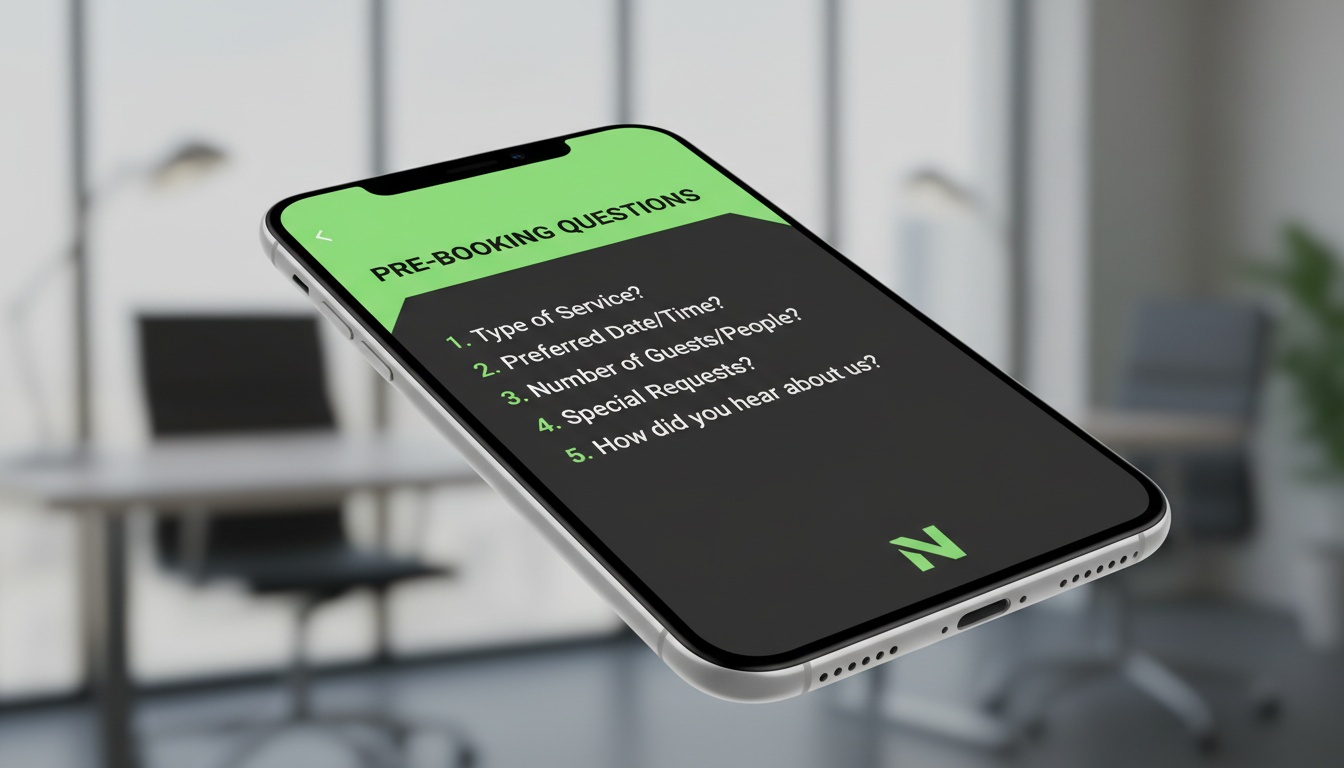
- What’s your session fee and session length?
- Is the intake priced differently?
- Do you offer sliding scale or packages?
- What’s your late cancellation/no-show policy?
- How often do you typically recommend meeting at the start?
- How do you measure progress (and when do we review goals)?
- Are any between-session messages included, and what are the boundaries?
If you want help preparing for that first meeting so you don’t waste paid time, this walkthrough is useful: how to prepare for your first counseling session (goals, questions, realistic expectations).
Budgeting examples (realistic scenarios you can copy)
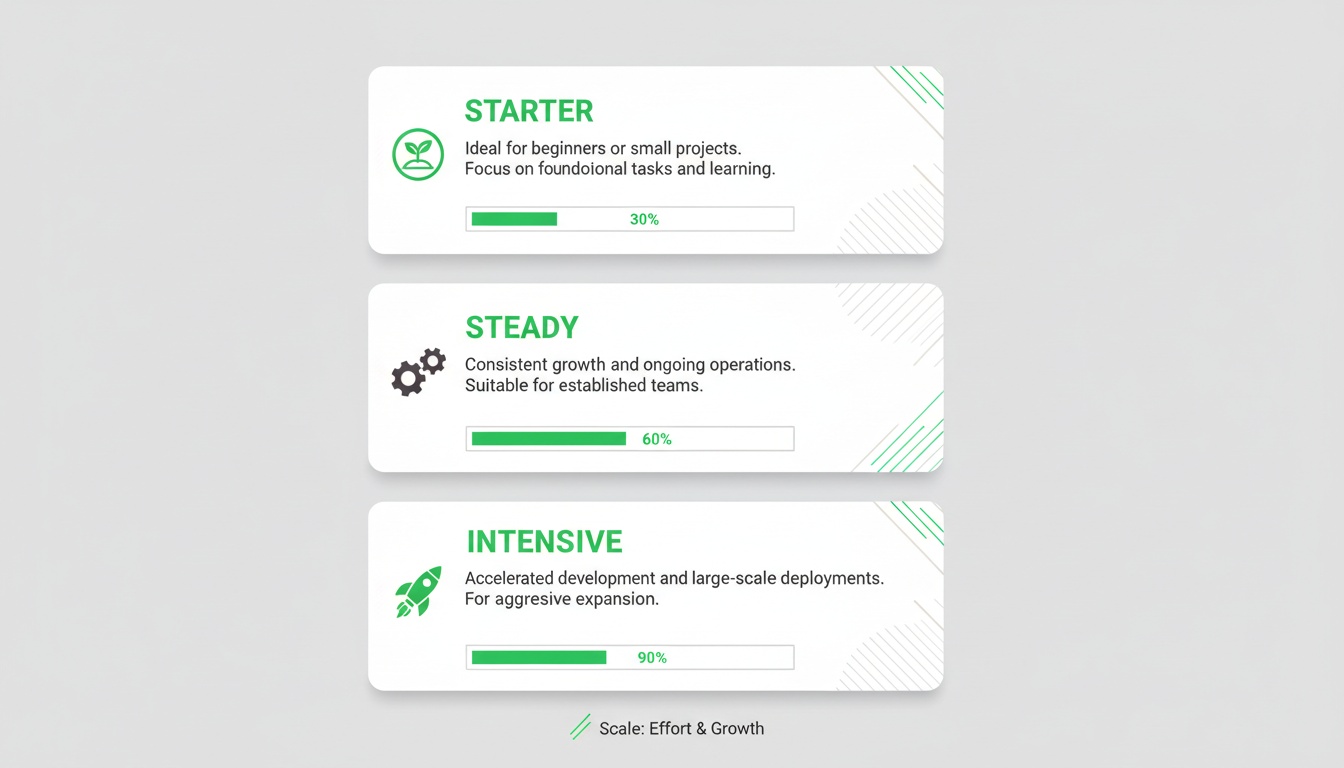
Scenario A: “Starter plan” (testing fit)
- 1 intake session + 3 weekly sessions
- Then reassess and decide
Budget idea: plan for one month at weekly pace, then taper if it’s working.
Scenario B: “Steady progress” (most common)
- Biweekly sessions for 3 months
- Review goals at session 6
Budget idea: stable, predictable, easier to sustain.
Scenario C: “High-support month” (acute stress, burnout, crisis)
- Weekly sessions + one optional extra session if needed
Budget idea: choose a higher monthly cap for 4–6 weeks, then intentionally step down.
If burnout is part of your picture, it helps to understand the recovery timeline you may be paying for: what to do when you’re burned out (signs, causes, and a 7-day recovery plan).
When the cost feels too high: practical ways to make support doable
You have more options than “skip help” or “go broke.”

- Ask about sliding-scale availability (and how often it opens up)
- Reduce frequency (weekly → biweekly) with a plan, not a fade-out
- Try group support for skills-based goals
- Use structured self-support between sessions (journaling, grounding, behavioral plans) to get more ROI from fewer sessions
- Choose telehealth to reduce “side costs” (commute, childcare, missed work)
And if you’re comparing formats (individual vs group), this breakdown can help you decide what fits your budget and comfort level: individual vs group mental health support—pros, cons, and who it fits.
A gentle next step if you’re exploring support with Ngọc Tĩnh - Hỗ Trợ Tâm Lý
Ngọc Tĩnh - Hỗ Trợ Tâm Lý is built for people who want clear, supportive guidance and a smoother decision process—without pressure. If you’re still exploring options, start by reviewing what’s offered and what the experience looks like: explore available services with Ngọc Tĩnh - Hỗ Trợ Tâm Lý. 🙂
If you prefer to ask a few questions first (pricing structure, fit, scheduling), you can reach out here: contact Ngọc Tĩnh - Hỗ Trợ Tâm Lý.
Quick recap ✅
- Therapy costs usually include more than the session itself (intake, admin policies, modality, coordination).
- The biggest price drivers are credentials, location, session length, and insurance structure.
- Your best budget is a range with a small buffer—because life happens.
- “Cost-effective” = fit + structure + progress, not just the lowest sticker price.