

Cách Chuẩn Bị Cho Buổi Tham Vấn Tâm Lý Đầu Tiên: Mục Tiêu, Câu Hỏi Nên Mang Theo Và Kỳ Vọng Thực Tế
You’re about to do something quietly brave: show up for your first mental health consultation. 🙌 And if your brain is spinning—What do I say? What if I cry? What if I don’t know my “problem” yet?—that’s not a sign you’re not ready. It’s a sign you’re human.
This guide walks you step-by-step through cách chuẩn bị cho buổi tham vấn tâm lý đầu tiên: mục tiêu, câu hỏi nên mang theo và kỳ vọng thực tế—so you arrive grounded, clear, and with a realistic plan.

Step 1) Get clear on why you’re going (without forcing a perfect explanation) 🧭
Let’s be honest: the biggest stressor is often feeling like you need to “present your case” convincingly. You don’t.
Start with a simple sentence stem. Choose one:
- “I’m here because I’ve been feeling…” (anxious, numb, irritable, overwhelmed)
- “I’m here because something happened…” (a breakup, loss, conflict, job change)
- “I’m here because I keep repeating…” (the same pattern, reaction, relationship dynamic)
- “I’m here because I’m not functioning like I used to…” (sleep, focus, motivation)
If you’re unsure whether what you’re experiencing “counts,” read when it’s time to seek mental health support (signs of anxiety, prolonged stress, and emotional crisis). It helps you name early warning signs without self-diagnosing.
A fast 5-minute clarity exercise
Write quick bullet answers (no full sentences needed):
- What’s been hardest in the last 2 weeks?
- What do you wish would feel 10% easier?
- What are you afraid might happen if nothing changes?
- What have you already tried?
That’s enough to start.
Step 2) Choose 1–3 realistic goals for the first phase 🎯
Your first consultation isn’t about “fixing your whole life.” It’s about building a map. The most useful goals are small, measurable, and focused.

Pick goals that sound like real life
Good first-phase goals:
- Sleep: “Fall asleep within 45 minutes most nights.”
- Anxiety: “Reduce panic spikes from 4x/week to 2x/week.”
- Emotions: “Stop going from 0→100 in arguments.”
- Boundaries: “Say no without spiraling into guilt.”
- Functioning: “Finish work tasks without freezing.”
Avoid vague goals like “be happy” or “become confident.” Those can be long-term themes, but they’re hard to work with session-to-session.
Goal types (choose the ones that fit you)
| Goal type | What it looks like | Best for |
|---|---|---|
| Symptom relief | calmer body, better sleep, fewer panic spikes | anxiety, stress overload |
| Pattern insight | understanding triggers + repeating cycles | relationship conflict, self-sabotage |
| Skills building | communication, emotion regulation, grounding | mood swings, overwhelm |
| Values & direction | choices aligned with what matters | stuckness, life transitions |
| Processing | grief, trauma-informed pacing | loss, past experiences |
If you want a quick overview of therapy approaches that match different goals, read CBT vs ACT vs DBT vs psychodynamic—what they are and who they’re for.
Step 3) Prepare the key information—without over-preparing 🗂️
You don’t need a 10-page life story. But a few specifics will save time and reduce the “I don’t know where to start” feeling.
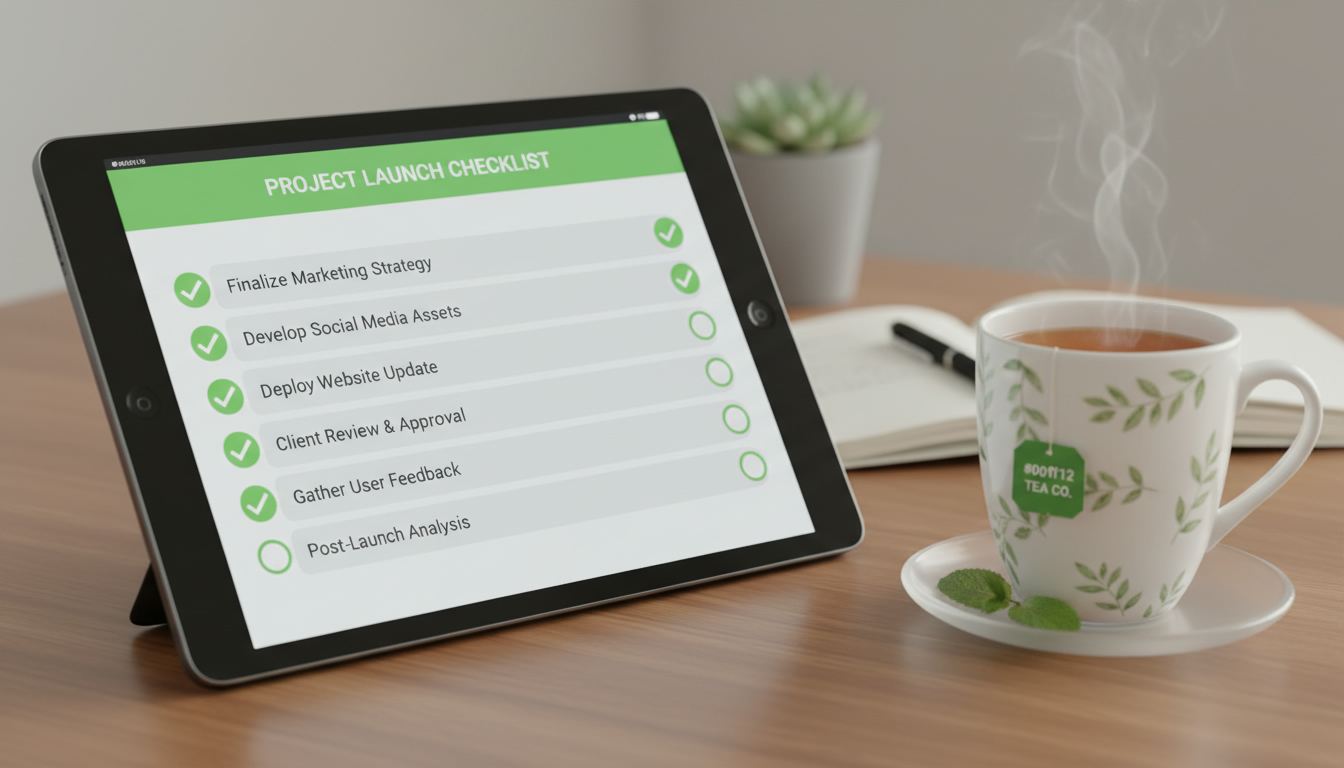
Bring (or jot down) these 6 categories
- Your top 3 concernsExample: “Worry loops, insomnia, dread before meetings.”
- TimelineWhen did it start?What made it worse/better?Any recent changes (work, relationship, health, move)?
- ImpactHow it affects sleep, appetite, work, school, relationships.
- Coping strategies you’ve triedHelpful: journaling, exercise, breathingNot helpful: doom-scrolling, avoidance, overworking
- Relevant history (only what feels safe to share)Past therapy, diagnoses, medications (if any)Major events: loss, trauma, medical issuesFamily mental health background (optional)
- Your preferencesDo you want a structured plan or open exploration?Do you prefer direct feedback or gentle reflection?Any cultural, spiritual, or identity factors you want respected?
If you blank out easily, use a one-page “session note”
Copy/paste and fill:
- What I want help with today:
- What I’m feeling most often lately (0–10 intensity):
- When it shows up:
- What I’m doing when it happens:
- What I want to be different (even slightly):
- One question I want answered:
Step 4) Bring the right questions (and don’t be shy about asking) ❓
This is the part most people skip—and it’s a mistake. Your first session is also about checking fit.

Questions to ask your counselor/therapist
These are practical, not “awkward”:
- “How do you usually structure early sessions?”
- “What therapy approaches do you use most?”
- “How will we know if I’m making progress?”
- “Do you give between-session practices or homework?”
- “If I’m overwhelmed, what can I do between sessions?”
- “How do you handle confidentiality and limits to confidentiality?”
- “What’s your policy on rescheduling, late arrivals, and messaging?”
- “If this isn’t the right fit, how do referrals work?”
If you want a deeper framework for evaluating fit, use how to choose the right mental health support companion (criteria, questions, and signs you should switch).
Questions to ask yourself (quietly, after the session)
- Did I feel respected and not judged?
- Did they interrupt a lot—or help me clarify?
- Did I feel safer by the end (even if still emotional)?
- Was there a clear next step?
Step 5) Set expectations that are realistic (and kinder to you) 🧠
Most disappointment comes from unrealistic expectations—not from therapy itself.

What a first session usually includes
- Basic intake: what brings you in, background, current symptoms
- Your goals + what “better” means for you
- Clarifying questions (sometimes a lot)
- A plan: frequency, next steps, early strategies
What may happen (and it’s normal)
- You cry. Or you don’t feel much. Both are fine.
- You forget important details.
- You feel lighter—or strangely tired afterward.
- You leave with more clarity, not an instant solution.
“Expectation vs Reality” comparison table
| Expectation | Reality | What to do |
|---|---|---|
| “They’ll tell me what’s wrong with me.” | You’ll co-create understanding over time. | Ask for a working hypothesis + next steps. |
| “I must explain everything perfectly.” | Messy is normal; the therapist helps organize it. | Bring bullet notes; start anywhere. |
| “I should feel better immediately.” | Relief can be gradual and non-linear. | Track small changes weekly. |
| “If I don’t click instantly, it’s a fail.” | Fit sometimes takes 2–3 sessions to assess. | Re-evaluate after 2–3 visits. |
| “Therapy is just talking.” | Many approaches include skills + practice. | Ask about tools and between-session supports. |
Step 6) Plan your logistics so your nervous system isn’t on fire 🔥➡️🧊
This is unsexy—but it matters.
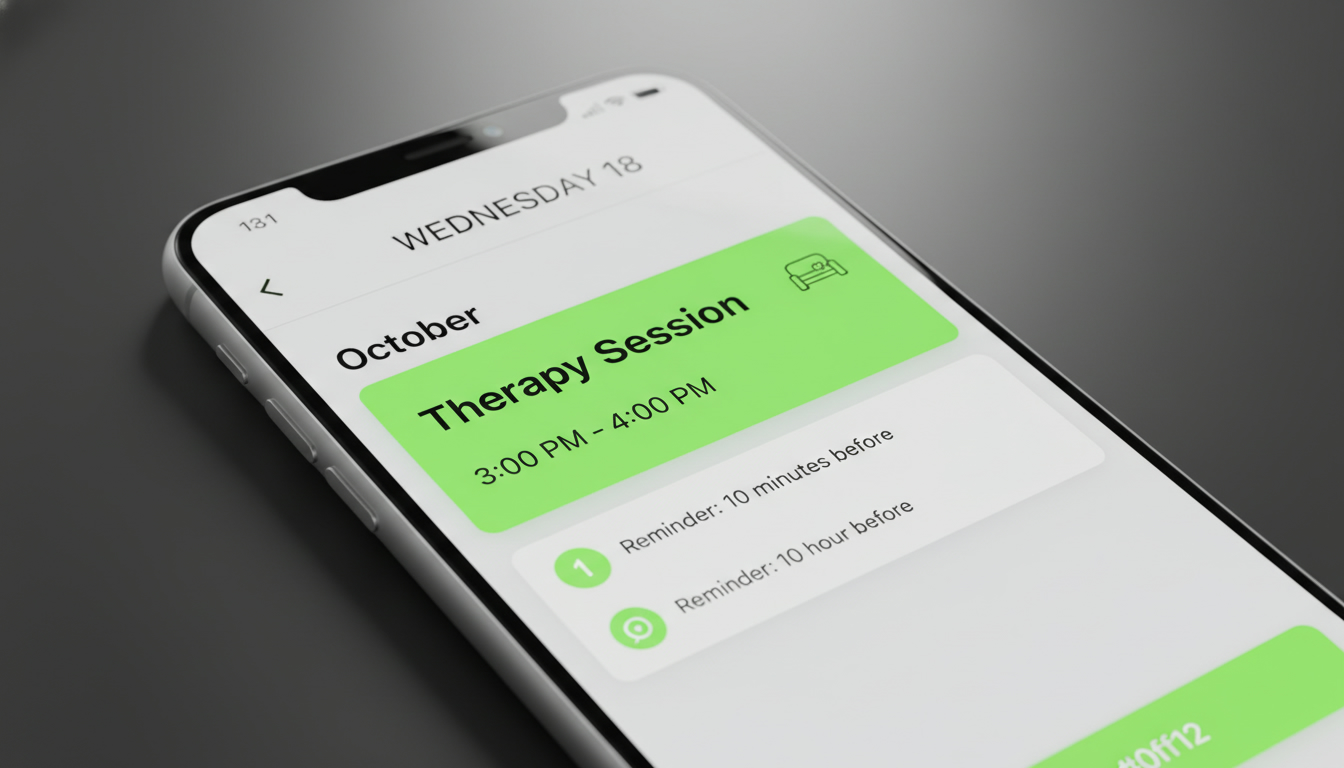
Do this the day before
- Confirm time, location/online link, payment method
- Charge devices + headphones (if online)
- Choose a private space (no surprises, no thin walls)
- Put water and tissues nearby
- Schedule 10–20 minutes buffer after the session if possible
Do this 10 minutes before
- Silence notifications
- Sit comfortably, feet on the floor
- Try one short grounding practice:Name 5 things you see4 things you feel3 things you hear2 things you smell1 thing you taste
If you want more structured grounding drills, practice ahead of time with a simple routine similar to what you’ll use after sessions.
Step 7) Know what to say if you don’t know what to say 🗣️
Here are scripts you can literally read out loud:
- “I’m nervous and I don’t know where to start.”
- “The main thing is I feel overwhelmed, and I want help sorting it out.”
- “I’m worried you’ll think my problem is silly.”
- “I’m not ready to talk about some topics yet.”
- “Can we slow down? I’m feeling activated.”
Therapy works better when you can talk about the process as it’s happening.
Step 8) After the session: lock in the progress while it’s fresh ✅
This is where your results start compounding.

Do a 3-minute debrief (same day)
Write:
- 1 thing I learned about myself:
- 1 thing I want to explore next:
- 1 tool/idea I want to try this week:
- How I feel right now (0–10 intensity):
Watch for these “good signs”
- You felt understood at least once
- The therapist summarized you accurately
- You got a next step, even a small one
- You feel a bit more hopeful—or a bit more oriented
Watch for these “red flags”
- You felt shamed, mocked, or dismissed
- They pushed you to disclose trauma details fast
- They guaranteed results in a fixed number of sessions
- They ignored boundaries or confidentiality questions
A simple checklist you can screenshot 📌
| What to prepare | Keep it simple |
|---|---|
| Reason for going | 1–2 sentences |
| Goals | 1–3 goals for the first phase |
| Symptoms + timeline | bullet notes |
| Impact areas | sleep, work, relationships |
| Coping attempts | what helped/what didn’t |
| Questions to ask | 5–10 questions |
| Logistics | privacy + time buffer |
| After-session plan | 3-minute debrief |
How Ngọc Tĩnh - Hỗ Trợ Tâm Lý can support you 🤝
If you want guided support that feels structured, human, and practical, explore Đồng Hành Cùng Tiên (services overview). When you’re ready, you can also reach out directly via the contact page to ask questions or book support.
You don’t need to be “ready enough.” You just need to show up. That’s the hardest part—and you’re already doing it.