

Các Trường Phái Trị Liệu Tâm Lý Phổ Biến (CBT, ACT, DBT, Psychodynamic): Khác Nhau Thế Nào Và Phù Hợp Với Ai
You’ve probably heard these acronyms tossed around—CBT, ACT, DBT, psychodynamic therapy—and wondered if they’re basically the same thing with different branding. They’re not. Each school of psychotherapy has a different theory of why you feel stuck, and a different “lever” it pulls to help you change. 🧠
This guide breaks down the most popular psychotherapy approaches (CBT, ACT, DBT, psychodynamic) in plain English—how they differ, what they’re best at, and who they tend to fit.

The fastest way to understand the differences: what each approach targets 🎯
When therapy works, it usually changes one or more of these:
- Your thoughts (how you interpret events)
- Your behavior (what you do when you’re triggered)
- Your relationship with emotions (how you handle feelings)
- Your relationships and patterns (what repeats across your life)
Different schools prioritize different targets.
| Therapy school | Core target | Main goal | Common format | Best-known strength |
|---|---|---|---|---|
| CBT (Cognitive Behavioral Therapy) | Thoughts + behaviors | Reduce symptoms by changing thinking/doing patterns | Structured, skills-based | Anxiety & depression symptom relief |
| ACT (Acceptance and Commitment Therapy) | Relationship with thoughts/emotions | Increase psychological flexibility + values-based living | Experiential + practical | Worry/rumination, chronic stress, self-criticism |
| DBT (Dialectical Behavior Therapy) | Emotion regulation + crisis behavior | Build skills to handle intense emotions safely | Skills training + coaching style | Self-harm urges, emotional storms, relationship volatility |
| Psychodynamic therapy | Unconscious patterns + attachment themes | Insight + long-term personality/pattern change | Exploratory, relational | Repeating relationship issues, identity, complex trauma |
The takeaway is clear: CBT changes content (thoughts). ACT changes your stance toward thoughts. DBT builds emotional survival skills. Psychodynamic uncovers the “why this keeps happening.”
CBT: the “pattern detective” for thoughts and behaviors 🔍
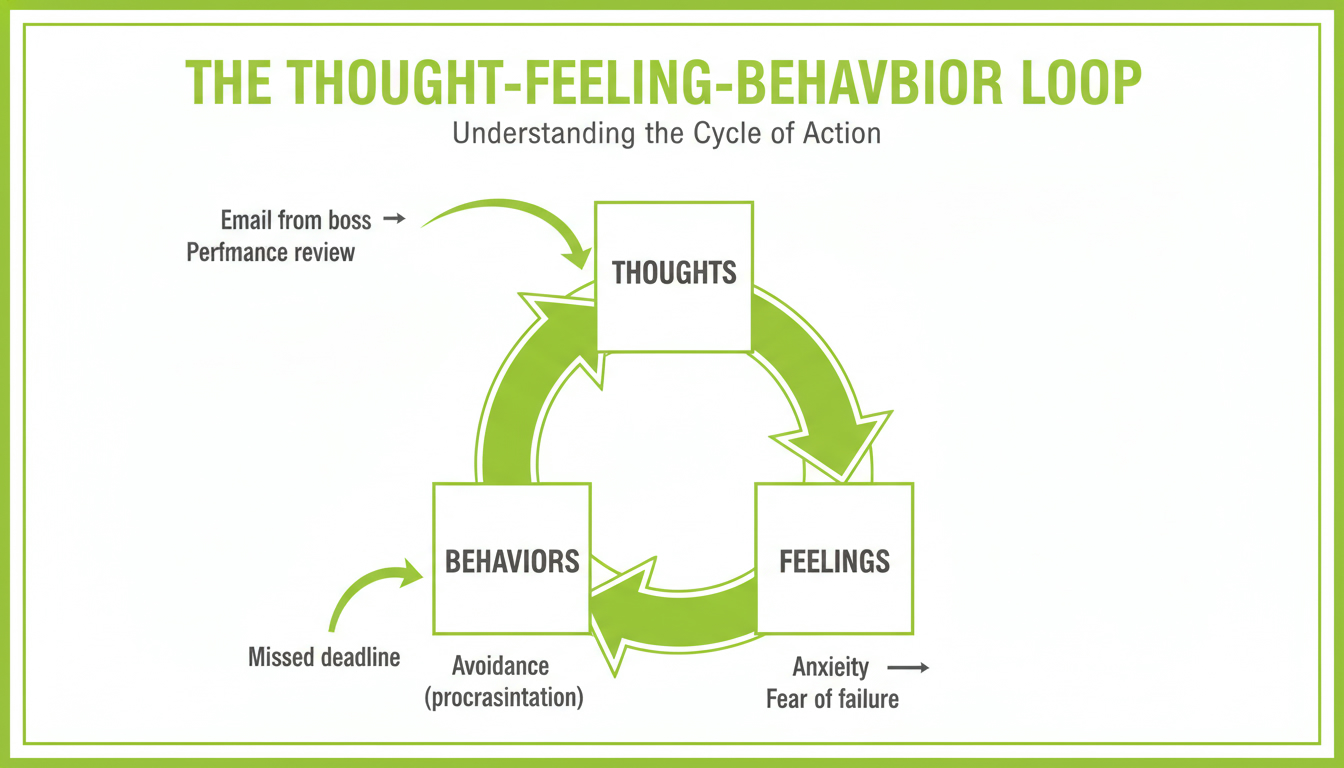
What CBT is (in real life)
CBT assumes that how you interpret a situation strongly affects how you feel and what you do. If your interpretations are biased by anxiety, low self-worth, or past learning, CBT helps you test and update them.
You’ll often map cycles like:
- Situation → Automatic thought → Emotion → Behavior → Consequence → Reinforced belief
What happens in CBT sessions
CBT is typically:
- Structured (agenda, goals, tracking progress)
- Skills-based (tools you practice between sessions)
- Present-focused (history matters, but the focus is on current patterns)
Common CBT methods:
- Cognitive restructuring (spotting distortions, generating alternatives)
- Behavioral activation (especially for depression)
- Exposure (for anxiety, OCD, phobias)
- Problem-solving training
CBT tends to fit you if…
- You want clear structure and concrete takeaways
- Your main goal is symptom reduction (panic, worry, low mood)
- You like data, tracking, “homework,” and testing beliefs
CBT can feel less fitting if…
- Your pain is more about identity, emptiness, relational patterns, or early attachment wounds
- You’ve tried “changing thoughts” and it turns into arguing with your mind all day
If your brain is a courtroom, CBT can help you cross-examine your thoughts. But sometimes the real work is learning you don’t need to take every thought to trial.
ACT: stop wrestling your mind, start living by your values 🧭
ACT is often misunderstood as “just accept it.” Let’s be honest: that’s not what anyone wants when they’re suffering.
ACT focuses on psychological flexibility—your ability to:
- Notice thoughts and feelings without being controlled by them
- Make room for discomfort
- Still move toward what matters to you

What ACT changes (the key distinction)
CBT often asks: “Is this thought true?” ACT often asks: “Is buying into this thought helpful for the life you want?”
ACT targets:
- Cognitive defusion (seeing thoughts as thoughts, not commands)
- Acceptance (making space for feelings rather than escalating them)
- Values-based action (building a life that feels meaningful)
ACT tends to fit you if…
- You deal with rumination, worry loops, perfectionism, harsh self-talk
- You’ve tried “positive thinking,” and it backfires
- You want therapy that’s practical but also deeply human (meaning, values)
ACT can feel less fitting if…
- You want a very linear, worksheet-heavy approach (ACT can be structured, but it’s often more experiential)
- You’re in an acute crisis that requires immediate stabilization (DBT may be a better first step)
DBT: the gold-standard skillset for emotional intensity 🌊
DBT was developed for people who experience emotions as fast, intense, and hard to come down from—often with impulsive behaviors that create real-life consequences.
This is the big one: DBT doesn’t shame you for coping badly. It assumes you’re doing the best you can and you need better tools.
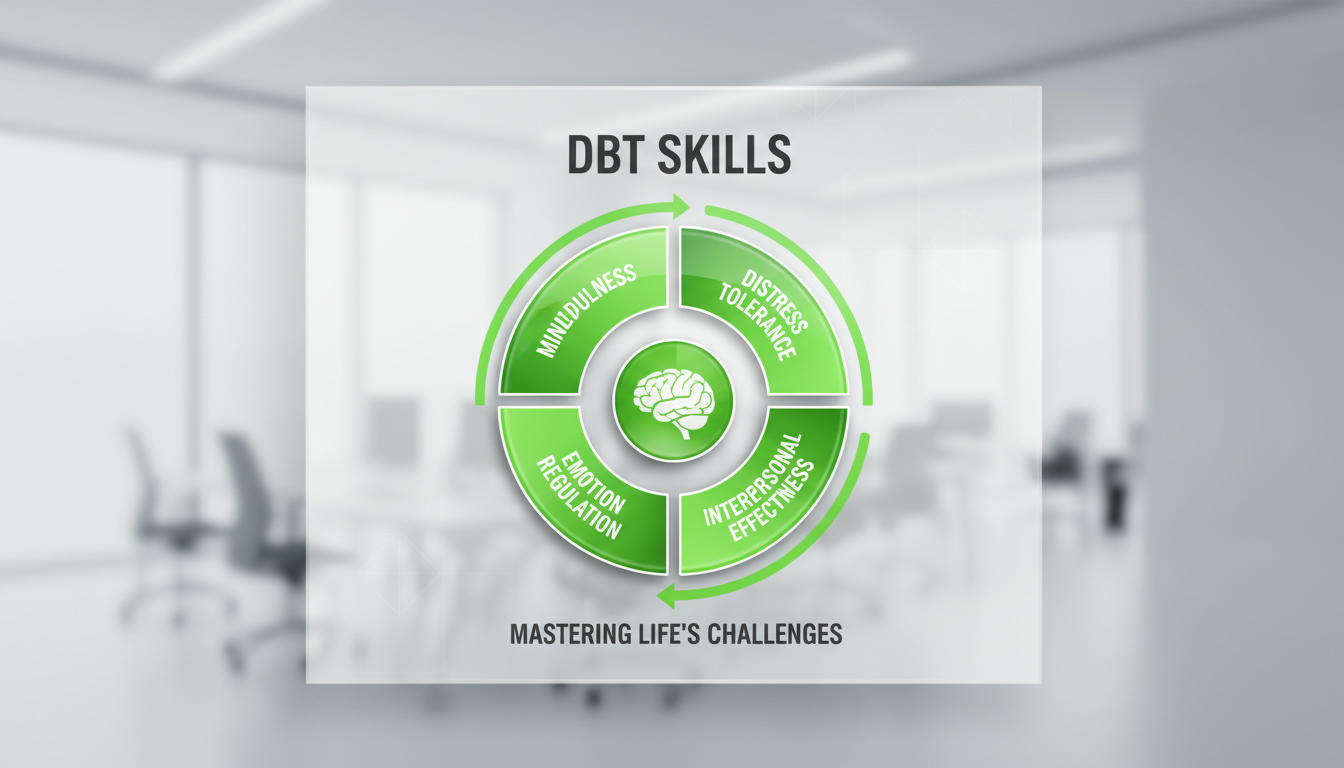
What DBT focuses on
DBT centers on four skill modules:
- Mindfulness: noticing what’s happening without spiraling
- Distress tolerance: surviving crises without making them worse
- Emotion regulation: reducing vulnerability + shifting emotional intensity
- Interpersonal effectiveness: boundaries, asking, saying no, repairing conflict
DBT is “dialectical” because it balances:
- Acceptance (you make sense)
- Change (you still need new skills)
DBT tends to fit you if…
- Your emotions feel like they hijack your body 🧯
- You struggle with self-harm urges, impulsivity, intense conflict, or emotional “crashes”
- You need practical tools now, not just insight
DBT can feel less fitting if…
- Your struggles are mild and you mainly want reflection/insight
- You dislike structured skills practice (DBT often asks for repetition)
If anxiety is your main issue, you might also find immediate relief from grounding tools—see breathing and grounding techniques to reduce anxiety at home for a gentle starting point you can discuss with your therapist.
Psychodynamic therapy: the “pattern historian” of your inner world 🧩
Psychodynamic therapy focuses on how early relationships, unconscious beliefs, defenses, and attachment patterns shape your current life—especially your relationships and self-image.
It’s less about symptom hacks and more about:
- Why you keep choosing the same kind of partner
- Why praise makes you anxious
- Why you freeze when someone is disappointed in you
- Why you feel “too much” or “not enough” even when things are okay

What happens in psychodynamic sessions
Sessions often include:
- Open exploration of feelings and narratives
- Noticing recurring themes and defenses (avoidance, people-pleasing, intellectualizing)
- Paying attention to the therapeutic relationship as a mirror of other relationships
Psychodynamic tends to fit you if…
- You feel stuck in repeating patterns (relationships, work dynamics, self-sabotage)
- You want deeper insight into identity, attachment, and “why I’m like this”
- Your struggles are linked to complex family dynamics or long-term emotional neglect
Psychodynamic can feel less fitting if…
- You want a short, tightly structured, skills-first plan
- You’re currently in crisis and need immediate stabilization (DBT or structured CBT may be a better first phase)
CBT vs ACT vs DBT vs Psychodynamic: a practical comparison table ✅
When you’re deciding, it helps to compare what therapy feels like week to week.
| Dimension | CBT | ACT | DBT | Psychodynamic |
|---|---|---|---|---|
| Style | Structured, educational | Experiential + reflective | Highly skills-based, coaching tone | Exploratory, relational |
| Focus | Symptoms, patterns, behaviors | Values + flexibility | Safety + emotion regulation | Insight + unconscious patterns |
| “Homework” | Common | Common | Very common | Sometimes |
| Session vibe | Problem-solving | Meaning + action | Tools + accountability | Insight + emotional depth |
| Best for | Anxiety, depression, OCD (with exposure) | Rumination, perfectionism, chronic stress | Self-harm urges, intense emotions, unstable relationships | Repeating relational pain, identity/attachment issues |
| Time frame (typical) | Often short–mid term | short–mid term | mid–longer (skills consolidation) | often longer-term, but varies |
Which therapy is “best”? The honest answer 🥇
There’s no universal best. The best approach is the one that matches:
- Your main goal (symptom relief vs deeper pattern change)
- Your nervous system needs right now (stabilize vs explore)
- Your learning style (skills practice vs reflection)
- Therapist fit (all schools depend heavily on the relationship)
If you’re deciding between formats too—online vs in-person—this breakdown helps you choose without overthinking: online therapy vs in-person therapy: what to choose and when.
“Who is this for?” quick matching guide 🎯
Use this like a first filter—not a diagnosis.
If you mostly struggle with anxiety, worry, panic
- Start with: CBT (especially exposure-based for panic/OCD) or ACT
- Consider DBT add-on skills if anxiety turns into emotional overwhelm
If you’re high-functioning but exhausted, burned out, numb
- Start with: ACT (values + flexibility) or psychodynamic (meaning + patterns)
- If burnout is your main context, you’ll relate to: what to do about burnout: signs, causes, and a 7-day recovery plan
If you have big emotional spikes, impulsive coping, unstable relationships
- Start with: DBT (stabilize + skills)
- Add psychodynamic later for deeper relational pattern work
If your main pain is relationship patterns and self-worth loops
- Start with: psychodynamic therapy
- Add CBT/ACT tools if you also want symptom relief and behavior change
What you should ask before choosing a therapist (regardless of school) 🗣️
The modality matters—but fit matters more than most people expect. Ask questions that reveal how the work will actually go.
- “How do you decide which approach to use with a client like me?”
- “What would progress look like in 4–8 weeks?”
- “Do you assign between-session practice?”
- “If I’m overwhelmed, what do we do in-session to stabilize?”
- “How do you measure whether therapy is working?”
If you want a more detailed checklist, use this guide: how to choose the right mental health companion: criteria, questions to ask, and signs you should switch.
Where Ngọc Tĩnh - Hỗ Trợ Tâm Lý fits in 🧩
At Ngọc Tĩnh - Hỗ Trợ Tâm Lý, the goal is to help you find support that matches your needs—not force you into a one-size-fits-all method. If you’re considering professional support and want a clear next step, you can:
- Explore available support options on the services page
- Reach out directly via the contact page
- Or browse more mental health education in the blog library
Key takeaways (so you don’t forget) 📌
- CBT helps you change unhelpful thought/behavior patterns to reduce symptoms.
- ACT helps you stop fighting your inner experience and move toward values—even with discomfort.
- DBT gives you concrete skills for emotional intensity, crisis moments, and relationship conflict.
- Psychodynamic therapy helps you understand and change repeating patterns rooted in your history and attachment.
If you tell yourself, “I don’t know which one I need,” that’s normal. A good therapist can help you choose—and many modern clinicians integrate approaches on purpose. The real win is getting support that fits your brain, your nervous system, and your life.