Classic Haircut Vs Fade Haircut Which Is Best For Your Face Shape?
Classic haircut vs fade haircut which is best for your face shape? Learn how each cut changes what people see—sharper jaw, softer angles, more height—so your style feels right.
If you’re stuck between a classic haircut and a fade haircut, you’re not overthinking it—you’re doing it right. Your face shape changes how a cut “reads” from across the room: it can sharpen your jaw, soften angles, add height, or widen your look (sometimes in a bad way). Let’s be honest: the wrong choice won’t ruin your life, but it will make your style feel slightly off every time you look in the mirror. 😅
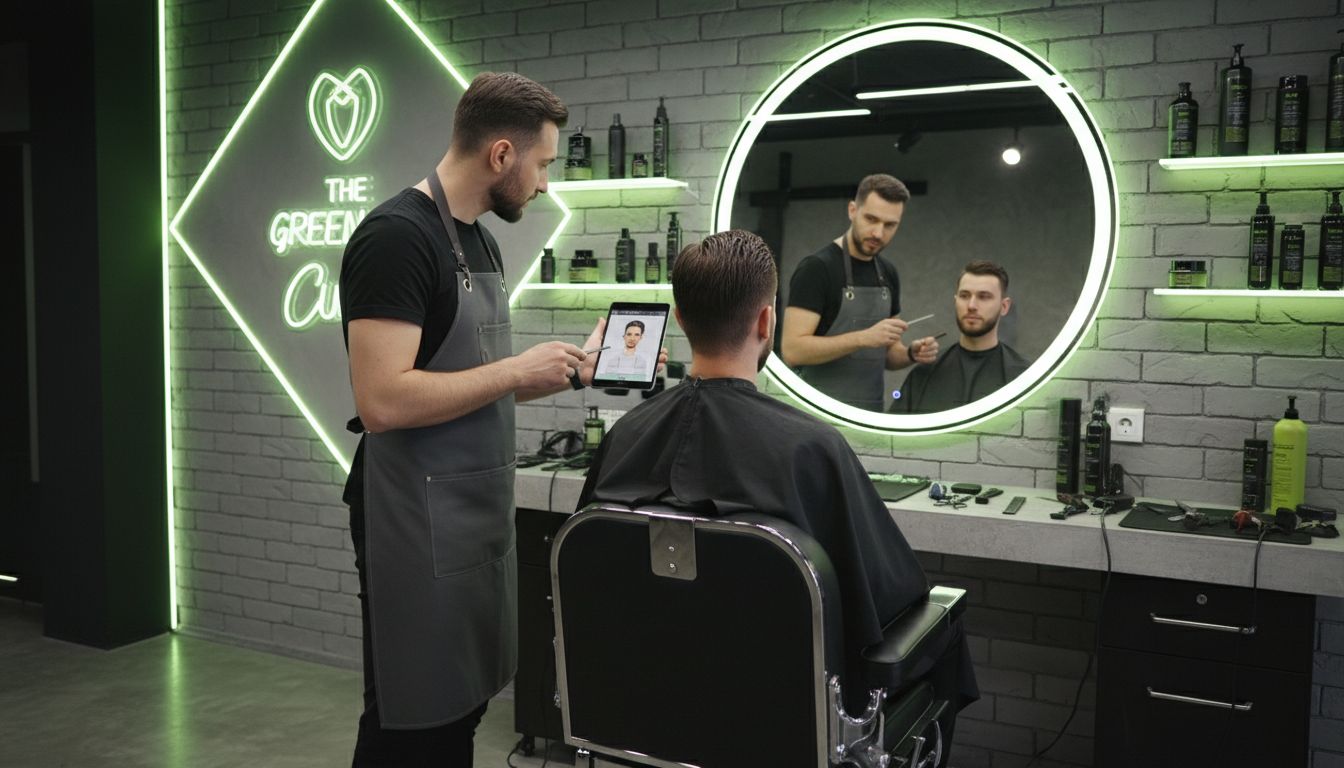
This guide breaks down classic haircut vs fade haircut which is best for your face shape with side-by-side comparisons, face-shape recommendations, and what to tell your barber so you actually get what you want.
What “classic haircut” really means (and why it still wins in 2026)
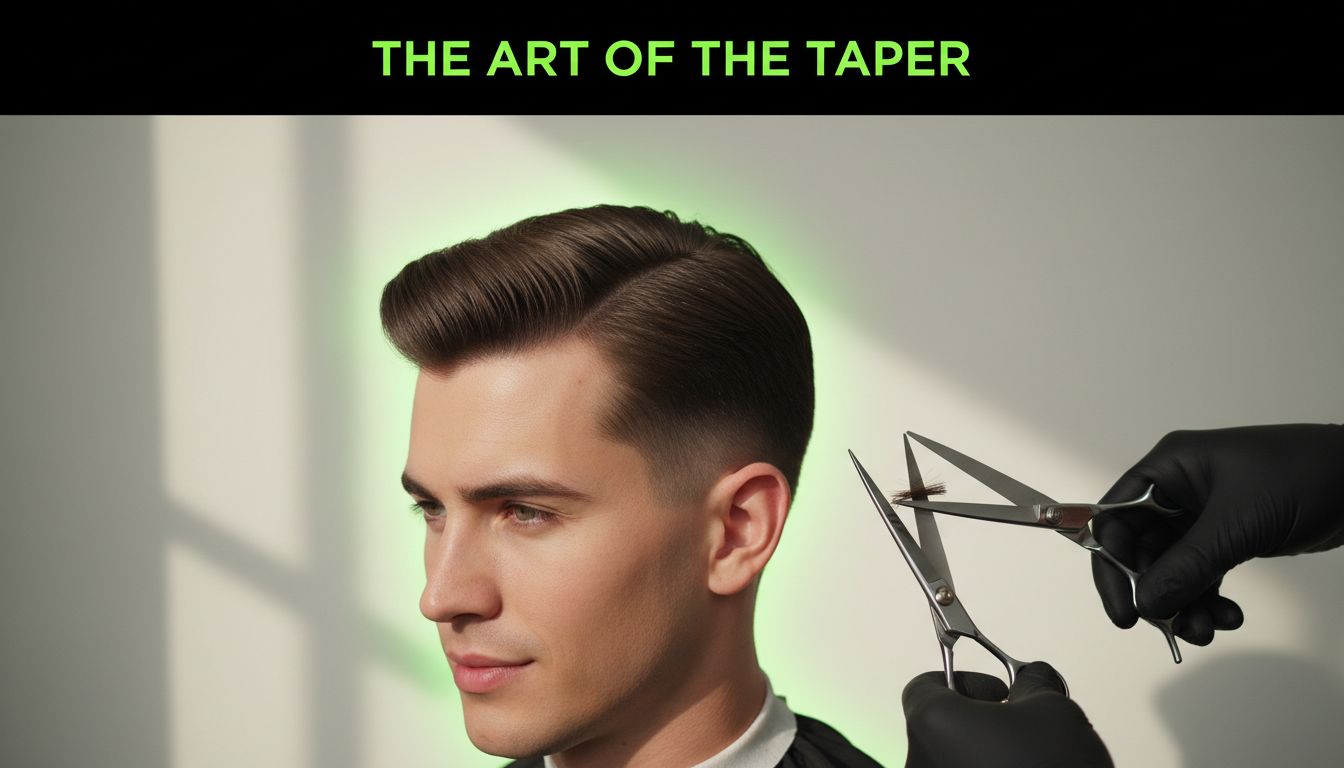
A classic haircut is a structured, timeless cut—usually scissor-led on top with a taper (not a dramatic skin fade) on the sides and back. Think: side part, classic comb-over, textured crop with a gentle taper, businessman cut.
What you get with a classic cut:
- Balanced proportions (great if you want your face shape to look more “even”)
- A softer perimeter around the temples and ears (less contrast)
- Generally more versatile styling—from neat to messy
- Easier grow-out, fewer “awkward stages” 📈
Classic doesn’t mean boring. It means your haircut isn’t screaming for attention—your face does the talking.
What “fade haircut” really means (and why it changes your face shape fast)
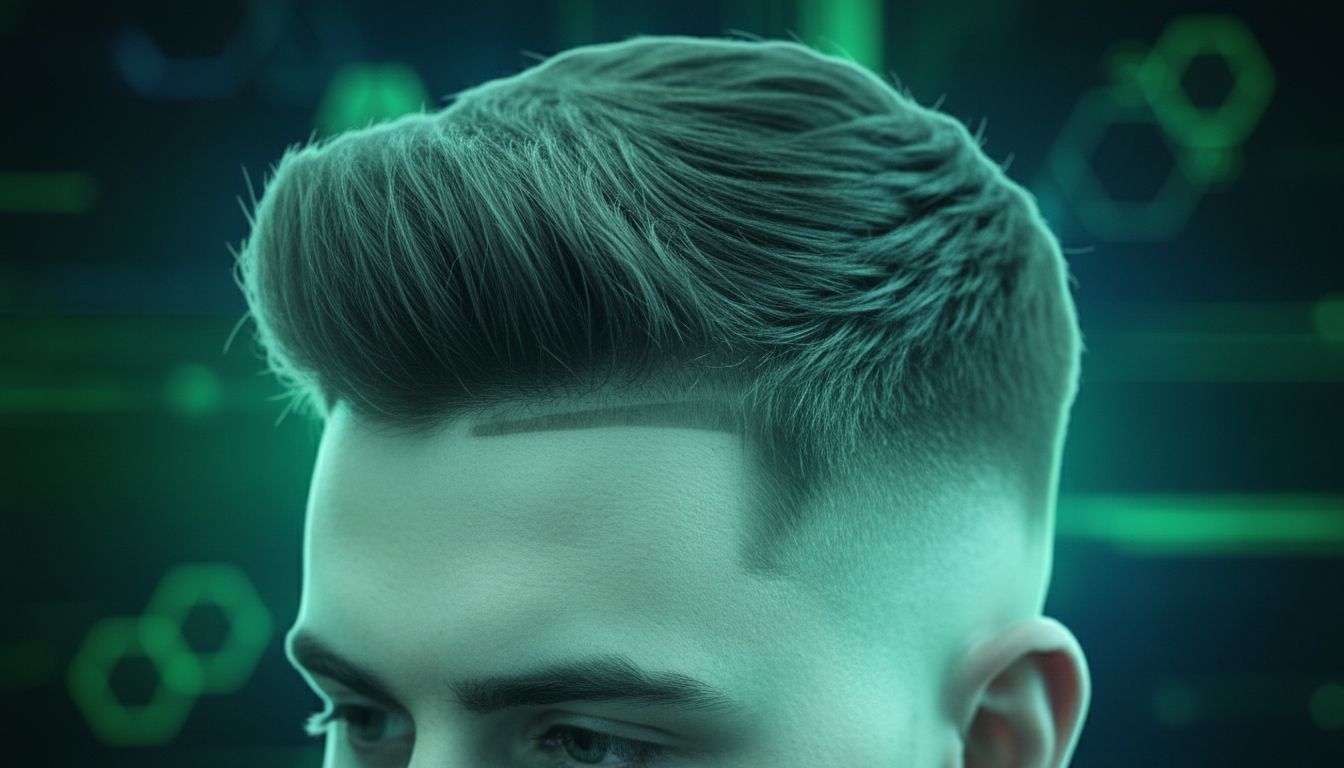
A fade haircut blends the sides/back from short to shorter—sometimes down to skin. The fade level changes the vibe and the facial illusion:
- Low fade: subtle, clean, least risky
- Mid fade: stronger contrast, more modern
- High fade: bold, sharp, can make faces look longer or more angular
- Skin fade: highest contrast, maximum structure
What you get with a fade:
- A sharper silhouette and more “edge” ✂️
- More attention pulled to cheekbones/jaw
- A cut that looks freshest in the first 7–10 days
- A style that often requires more frequent touch-ups
The fade is basically face-shape styling with clippers. Powerful—if you choose it correctly.
Classic haircut vs fade haircut: side-by-side comparison (quick decision)
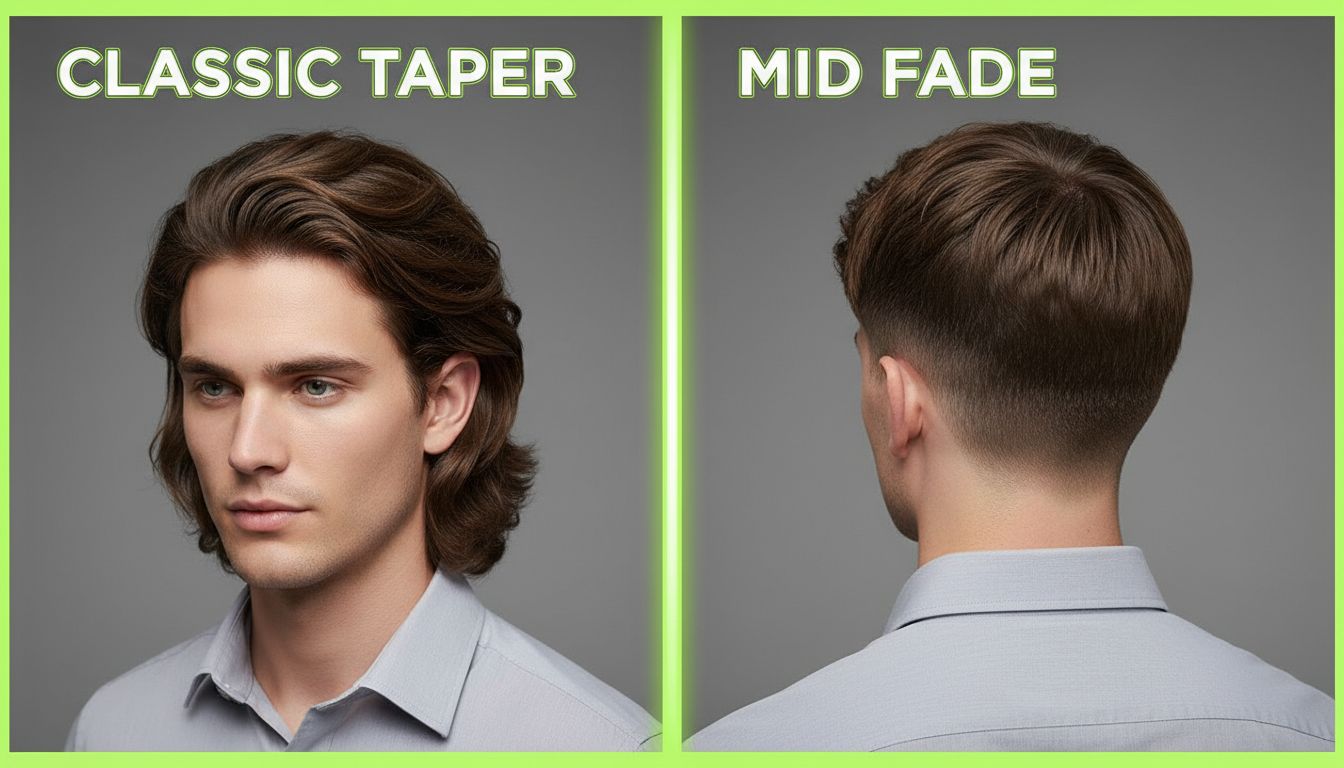
| Feature | Classic Haircut (Taper/Scissor) | Fade Haircut (Low/Mid/High/Skin) | Who it’s best for |
|---|---|---|---|
| Overall vibe | Timeless, clean, natural | Modern, crisp, high contrast | Classic: professional + low drama. Fade: trendy + sharp |
| Face-shape impact | Balances, softens | Defines, sharpens | Classic: you want harmony. Fade: you want structure |
| Maintenance | Medium (3–5 weeks) | Higher (1–3 weeks) | Busy schedule → classic. Detail-obsessed → fade |
| Grow-out | Smooth | Can get “blurry” fast | If you hate frequent cuts, classic wins |
| Styling time | Low–medium | Low–medium (depends on top) | Both can be easy if you keep top manageable |
| Works with conservative workplaces | Usually yes | Depends on fade height/skin | Low fade is safest; high/skin can be too bold |
| Best pairing with beard | Natural blend | Strong contrast (looks very intentional) | Beard-heavy looks often pop with fades |
The takeaway is clear: Choose classic for balance and longevity. Choose fade for definition and impact. ✅
How to figure out your face shape (fast, no guesswork)
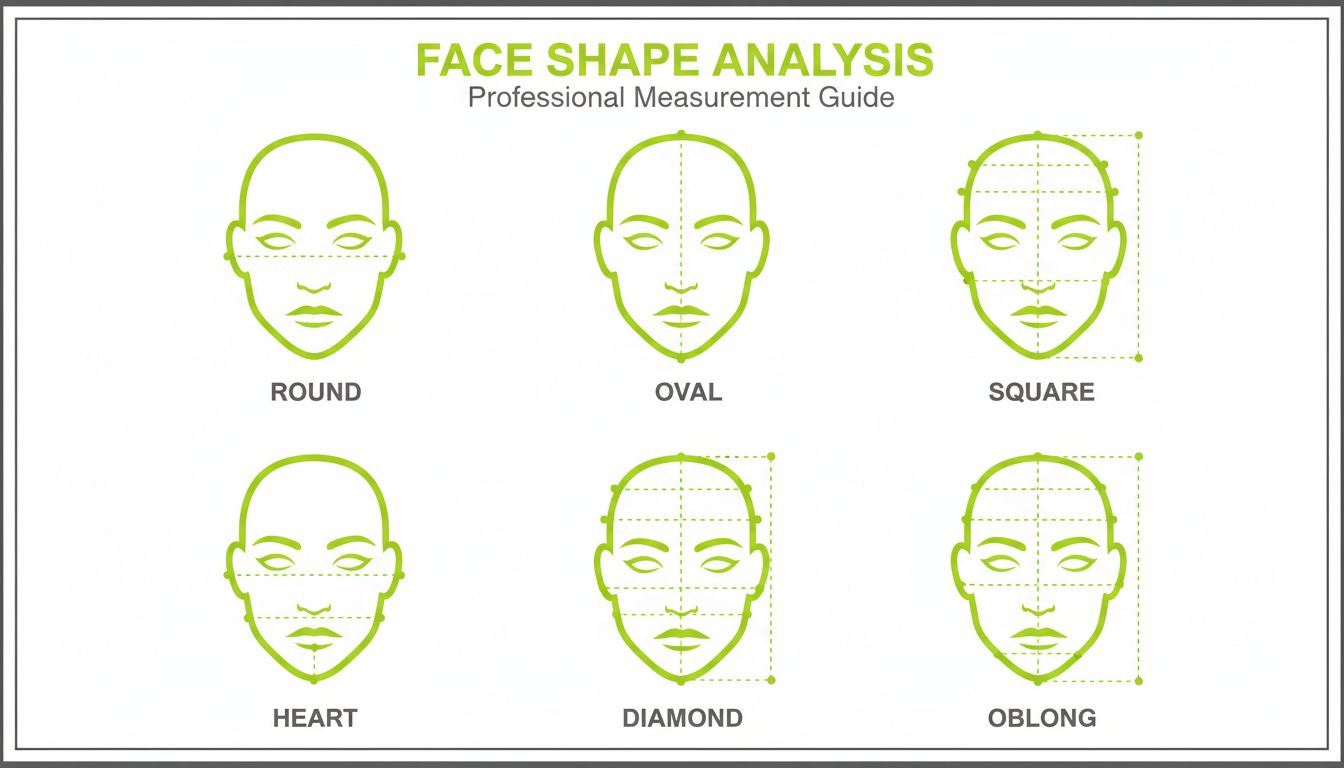
Stand in front of a mirror and check three things:
- Cheekbone width (often the widest point)
- Jawline width/angle (rounded vs sharp)
- Face length (hairline to chin)
If your face is hard to categorize, pick the dominant trait:
- “My jaw is wide and sharp” → square-ish
- “My face is long” → oblong
- “My cheeks are widest and chin is narrower” → diamond
- “My jaw is widest and chin is round” → round
Now let’s match that to classic vs fade.
Best choice by face shape: classic haircut vs fade haircut
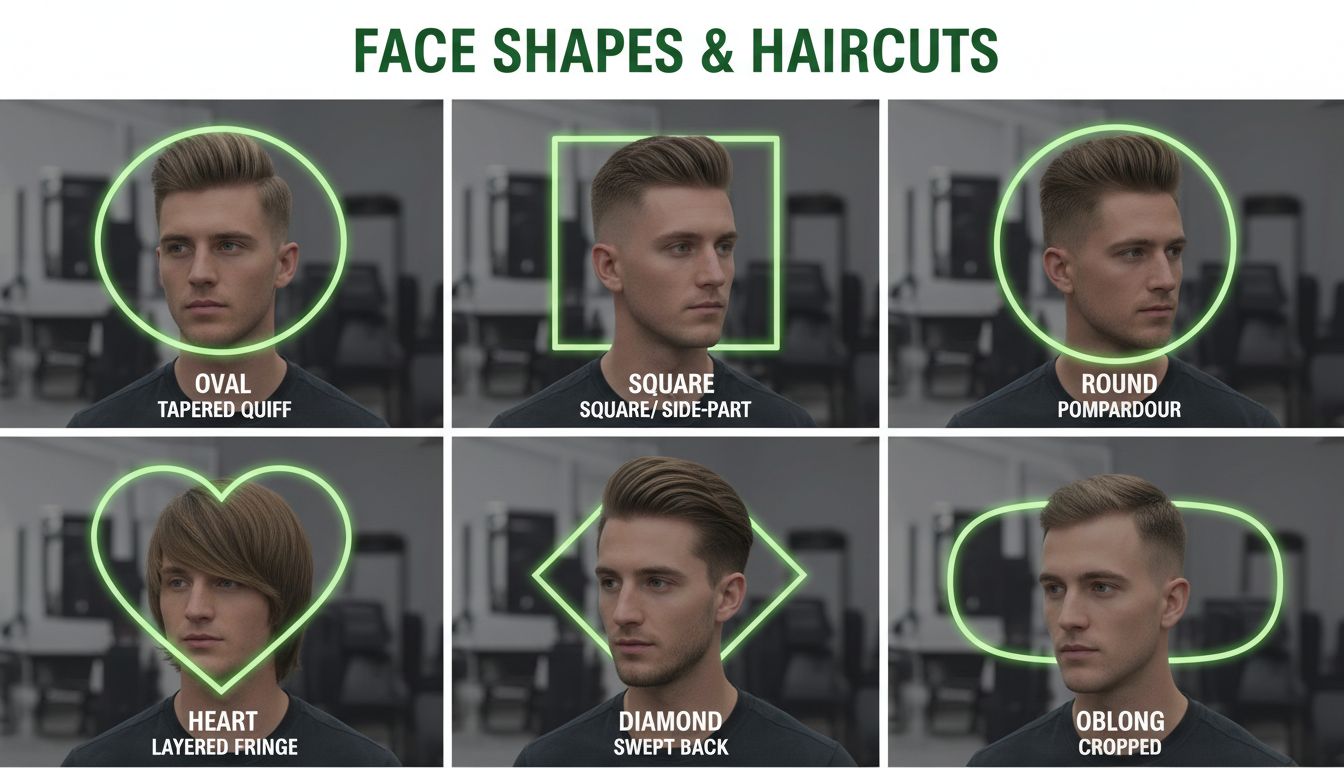
Oval face shape: you can wear almost anything 😎
Oval is the most flexible—your proportions are already balanced.
Best picks
- Classic haircut: side part, textured classic taper, brushed back
- Fade haircut: low/mid fade with textured top, taper fade, even high fade if you want bold
Avoid
- Anything that adds extreme height and extremely tight sides (can over-elongate)
Recommendation
- If you want timeless: classic taper
- If you want modern definition: mid fade
Round face shape: you need height + structure (but not width)
Round faces look best when the cut creates vertical lines and reduces side bulk.
Best picks
- Classic haircut: classic taper + volume on top (quiff, side-swept texture)
- Fade haircut: mid fade or high fade with height on top
Avoid
- Heavy fringes that shorten the face
- Low fade with bulky sides (can make your face look wider)
Recommendation
- If you want maximum slimming effect: mid/high fade + textured top 🔥
- If you want subtle refinement: classic taper + side volume
Square face shape: control the “boxiness,” don’t fight it
Square faces already have strong jawlines—your haircut should either embrace or slightly soften.
Best picks
- Classic haircut: scissor cut with soft taper, side part, medium texture
- Fade haircut: low/mid fade for clean edges; skin fade if you want aggressive sharpness
Avoid
- Super high skin fade + hard lineup if your jaw is already very sharp (can look too harsh)
Recommendation
- For a polished, versatile look: classic haircut with taper
- For a bold, masculine look: mid fade (not too high) + textured crop 💪
Oblong/Rectangle face shape: don’t add too much height
Long faces need the opposite of round faces: reduce vertical emphasis.
Best picks
- Classic haircut: classic scissor cut with moderate top length, side-swept, natural taper
- Fade haircut: low fade (keep sides not too tight), taper fade instead of high fade
Avoid
- High fade + tall pompadour (makes the face look longer)
- Extremely tight sides with lots of height
Recommendation
- Most of the time: classic haircut wins here ✅
- If you want a fade: choose low fade and keep the top controlled
Heart face shape: balance a wider forehead and narrower chin
Your goal is to avoid making the forehead look even wider while adding visual balance.
Best picks
- Classic haircut: side part with soft taper, textured fringe (light, not heavy)
- Fade haircut: low fade or taper fade—keep it subtle around the temples
Avoid
- High fade that removes temple weight (can exaggerate forehead width)
Recommendation
- Safe and flattering: classic haircut with gentle taper
- If you insist on a fade: low fade + textured top without extreme height
Diamond face shape: respect the cheekbones
Diamond faces often have prominent cheekbones and a narrower forehead/chin.
Best picks
- Classic haircut: medium-length scissor top, side-swept texture, soft taper
- Fade haircut: low fade, taper fade, or drop fade (keeps balance around the head)
Avoid
- Very high fade (can make cheekbones look overly prominent)
Recommendation
- Most flattering overall: classic haircut
- Best fade option: low/drop fade with natural texture
Face shape vs haircut “cheat sheet” (save this)
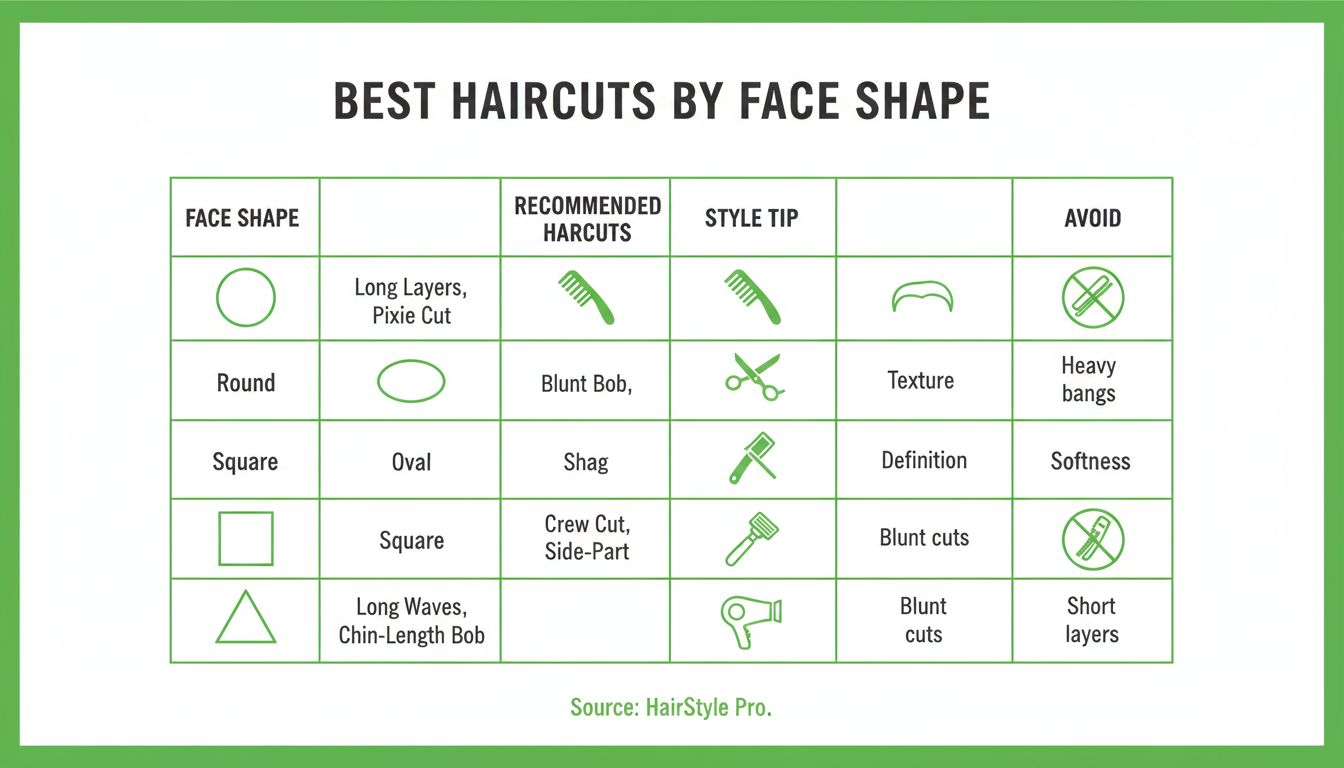
| Face shape | Best overall | Best fade type | Best classic type |
|---|---|---|---|
| Oval | Tie | Low/Mid fade | Classic taper + texture |
| Round | Fade | Mid/High fade | Taper + volume on top |
| Square | Tie | Low/Mid fade | Scissor + soft taper |
| Oblong/Rectangle | Classic | Low fade | Classic scissor, low height |
| Heart | Classic | Low/taper fade | Side part + gentle taper |
| Diamond | Classic | Low/drop fade | Medium scissor + soft taper |
What to ask your barber (so you don’t get a different haircut than you imagined)
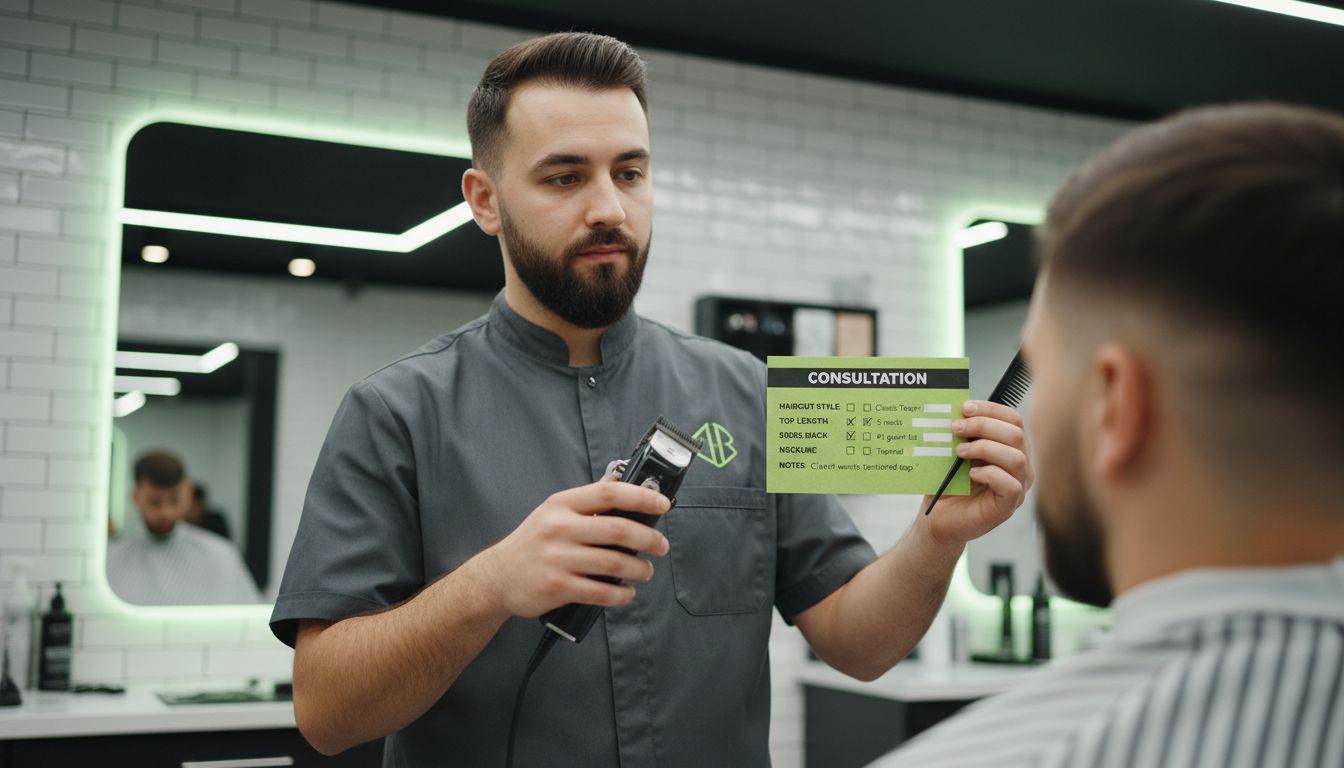
If you say “fade,” you might get anything from subtle to military. Be specific.
If you want a classic haircut, say:
- “Scissor cut on top with a natural taper”
- “Keep the temple area softer—not too tight”
- “I want it to grow out clean over 4 weeks”
If you want a fade, say:
- “Low/mid/high fade—I want it to start at (temple / above ear / near parietal ridge)”
- “Skin or no skin? I want (skin / 0.5 guard at the bottom)”
- “Leave some weight at the corners so my face doesn’t look wider/longer”
Let’s be honest: the consultation is where good haircuts happen. The clippers are just the execution. 🧠
Maintenance reality check (time, money, and effort)
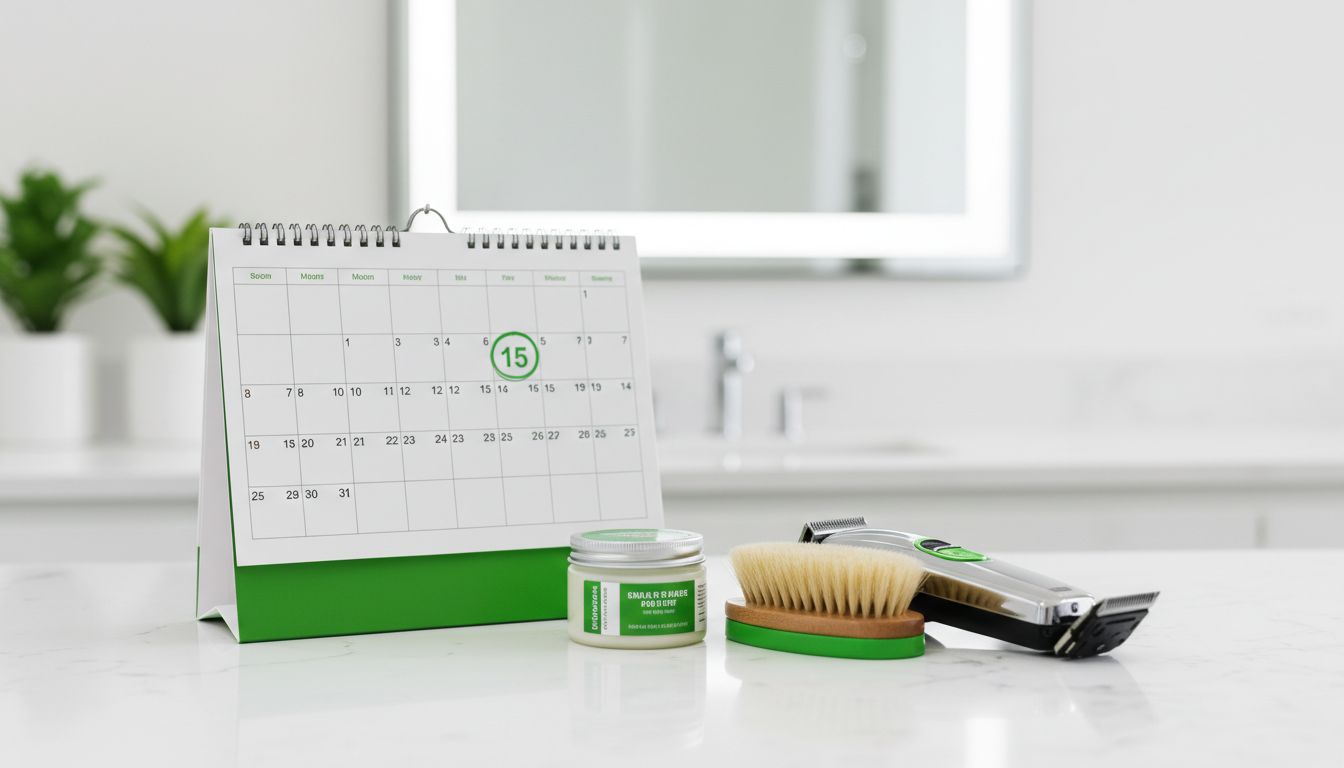
Here’s the trade-off most people ignore:
| Factor | Classic haircut | Fade haircut |
|---|---|---|
| Looks “fresh” the longest | ✅ | ❌ |
| Needs frequent clean-ups | ❌ | ✅ |
| Best for busy schedules | ✅ | ⚠️ |
| Best for always-on sharpness | ⚠️ | ✅ |
| Styling product needed | Optional | Often optional (depends on top) |
If your schedule is packed, a fade can become a maintenance trap—it looks amazing, then rapidly loses that crisp edge. If you love that barbershop-fresh look weekly, fades are your playground. 🔁
So… classic haircut vs fade haircut: which is best for your face shape?
Choose classic haircut if:
- You want balance, softer lines, and an easy grow-out
- You have an oblong/diamond/heart face shape
- You prefer a professional, timeless look
Choose fade haircut if:
- You want structure and strong definition around the face
- You have a round face shape (especially) and want a sharper outline
- You’re okay with more frequent touch-ups for that crisp finish ✨
If you’re still torn, pick the hybrid: classic on top + low fade/taper fade. It’s the safest “best of both worlds” for most face shapes.
Ready to get the right cut in Cần Thơ?
You’ll get the best result when your barber matches face shape + hair type + lifestyle—not just a trending photo.
- Explore what’s available on the barber services page
- Browse more guides on the Winifred blog
- Reach out via the contact page to book your consultation
FAQ: classic vs fade haircut (quick answers)
Is a fade haircut always more modern than a classic haircut?
Most of the time, yes. A fade creates higher contrast, which reads as more current. But a clean classic taper can still look modern if the top has the right texture.
What fade is safest if you’re unsure about your face shape?
A low fade (or taper fade). It adds cleanliness without drastically changing your proportions.
If you have a big forehead, should you avoid fades?
Not always. But high fades can make the forehead look more dominant. You’ll usually look better with a low fade or a classic cut with some texture or fringe.
Do fades damage hair?
No—fades don’t damage hair. But frequent skin fades can irritate sensitive scalps if your skin doesn’t love tight clipper work.
Can you combine a classic haircut with a fade?
Yes—and it’s often the best move. Ask for a classic scissor top with a low fade or taper fade for a clean, balanced look.